Letright - Reconciling Luxury and Sustainability in Outdoor Living
This is a teaching case study of Letright Industrial Corp., challenging learners to assess whether true reconciliation between luxury and sustainability.






Abstract
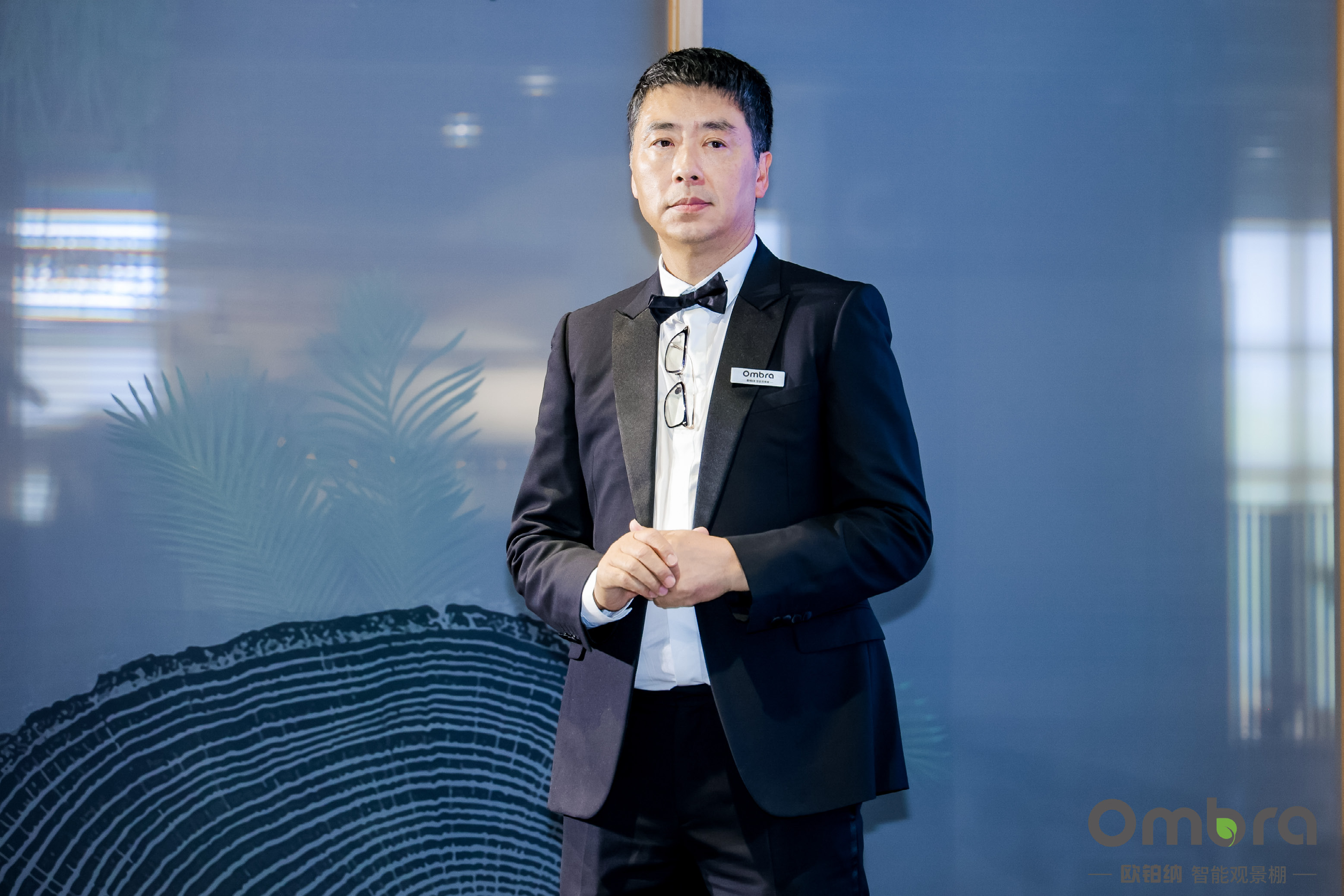
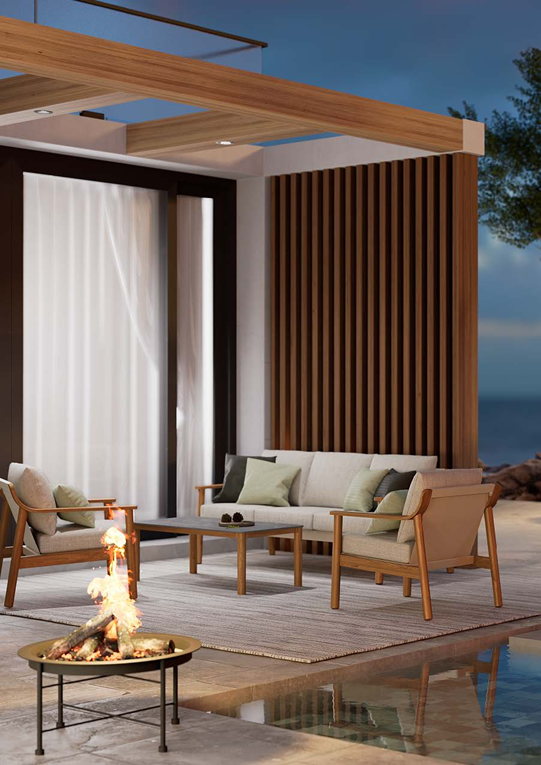
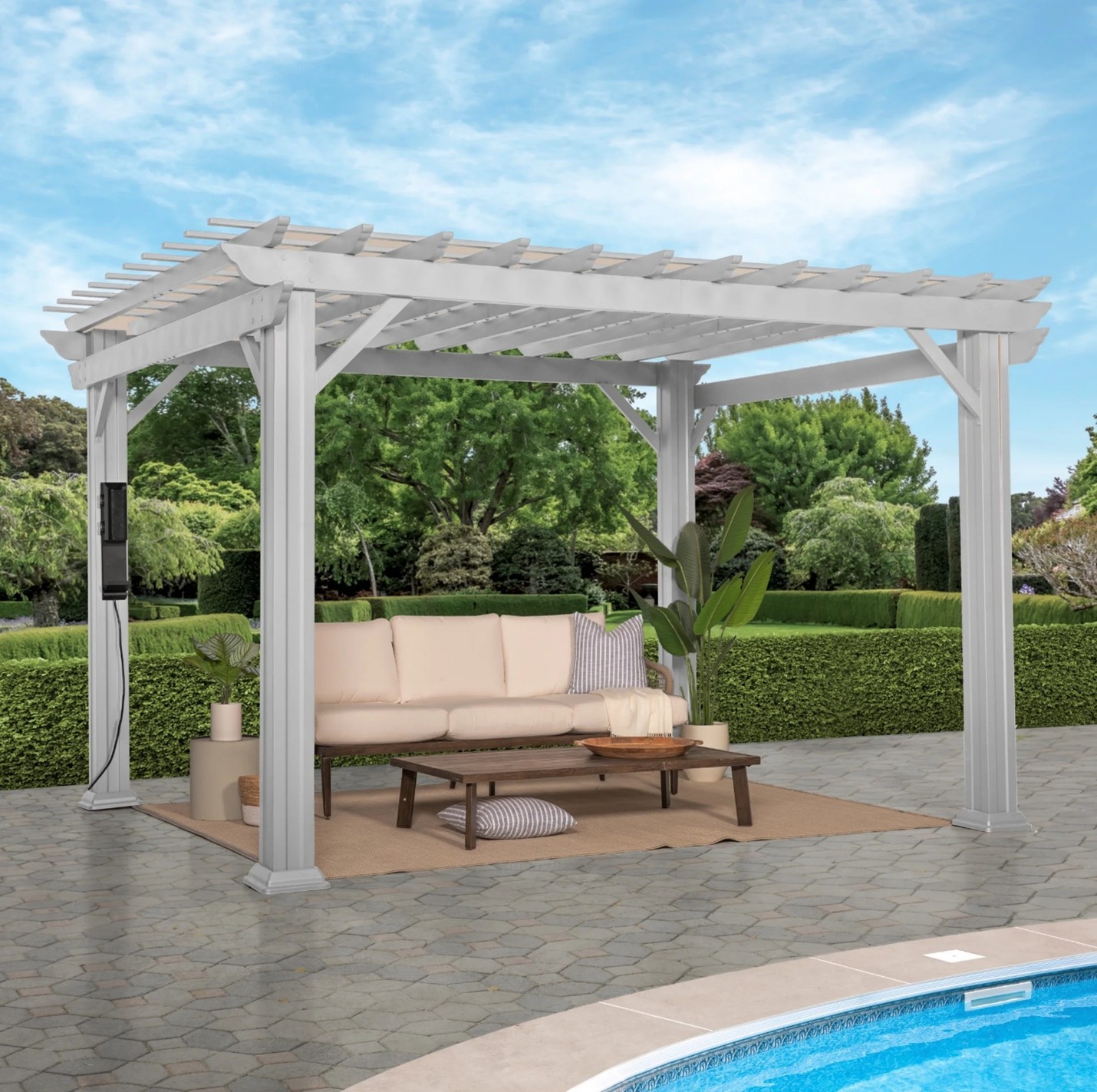
Letright Corporation, a China-based outdoor furniture company founded by Ren Li, exemplifies a rare fusion of luxury and sustainability in a traditionally resource-intensive industry. In a bold deviation from industry norms, Letright rejected materials like timber, PVC, and cadmium, prioritizing environmental integrity over short-term profitability. Central to this transformation was the development of the Ombra Smart Pergola, a high-end outdoor living module that combines solar-powered functionality, recyclable materials, and smart automation to deliver sustainable luxury.
This case study examines Letright's sustainability transformation, driven not by market trends or regulatory compulsion but by Ren Li's intrinsic ethical convictions, including the strategic and operational decisions regarding elevating R&D, embedding green design principles, and transparent stakeholder communication to avoid greenwashing. It also highlights the challenges faced, particularly internal resistance and external pressure from clients unwilling to forego traditional materials.
The case challenges learners to assess whether true reconciliation between luxury and sustainability is feasible, and how businesses can retain legitimacy while making such transitions.
Copyright
All rights reserved. Copyright © 2025-2026 Nikkei Business Lab Asia.
Key Findings
Introduction
In an era marked by escalating climate crises and increasing consumer awareness, the concept of sustainable luxury emerged as a transformative paradigm in the global marketplace. Traditionally, luxury has been associated with exclusivity, resource intensiveness, and environmental cost, while sustainability calls for restraint, accountability, and long-term ecological stewardship. The convergence of these two paradoxical ideals, luxury and sustainability, gave rise to a new value proposition that challenges established norms within both perspectives. Read more...