Ren Li's Vision: Transforming Outdoor Living with Elegance and Environmental Stewardship
How Ren Li's refusal to compromise values under multidimensional pressures became the foundation of an ambitious, multinational, eco-friendly enterprise.




APA7: Timothy, B., Ager, F., Tjiptono, Dr. F., Sean, C. Y., (2024). Ren Li’s Vision: Transforming Outdoor Living with Elegance and Environmental Stewardship. ACES Institute.
Chicago mannual of style (Author-date) 18: Benson Timothy, Freddy Ager,Fandy Tjiptono, and Sean, Chong Yit, 2024. “Ren Li’s Vision: Transforming Outdoor Living with Elegance and Environmental Stewardship.” ACES Institute.
Cite them Right (Harvard) 12: Timothy, B. et al. (2024) “Ren Li’s Vision:Transforming Outdoor Living with Elegance and Environmental Stewardship.” ACES Institute.
IEEE: B. Timothy, F. Ager, F. Tjiptono, and C. Y. Sean, “Ren Li’s Vision: Transforming Outdoor Living with Elegance and Environmental Stewardship.” ACES Institute, 2024.
MLA9: Timothy et al. “Ren Li’s Vision:Transforming Outdoor Living with Elegance and Environmental Stewardship.” ACES Institute, 2024.
Abstract
Copyright
Ren Li's Vision: Transforming Outdoor Living with Elegance and Environmental Stewardship
© 2024 ACES Institute. All rights reserved
Key Findings
INTRODUCTION
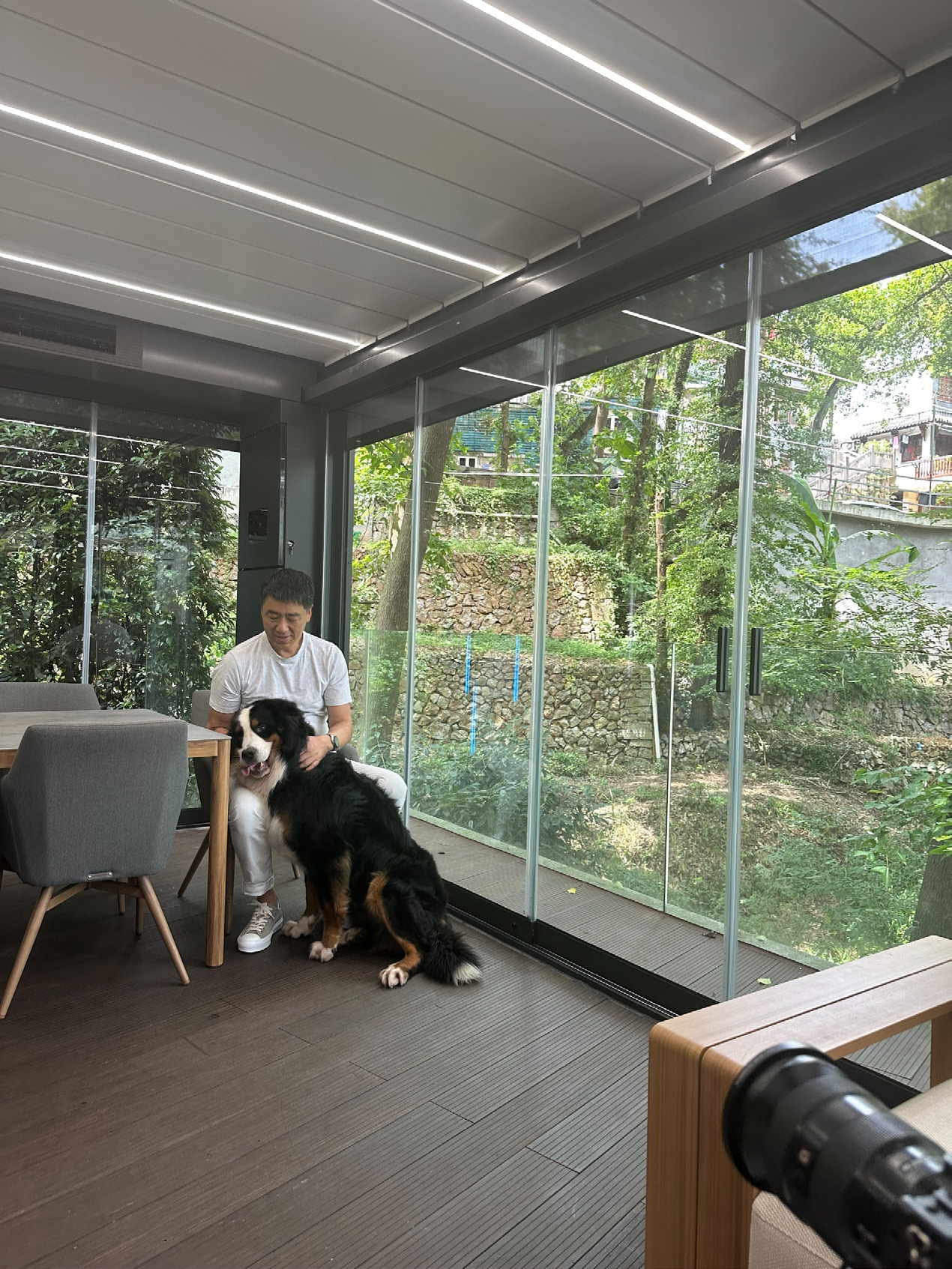
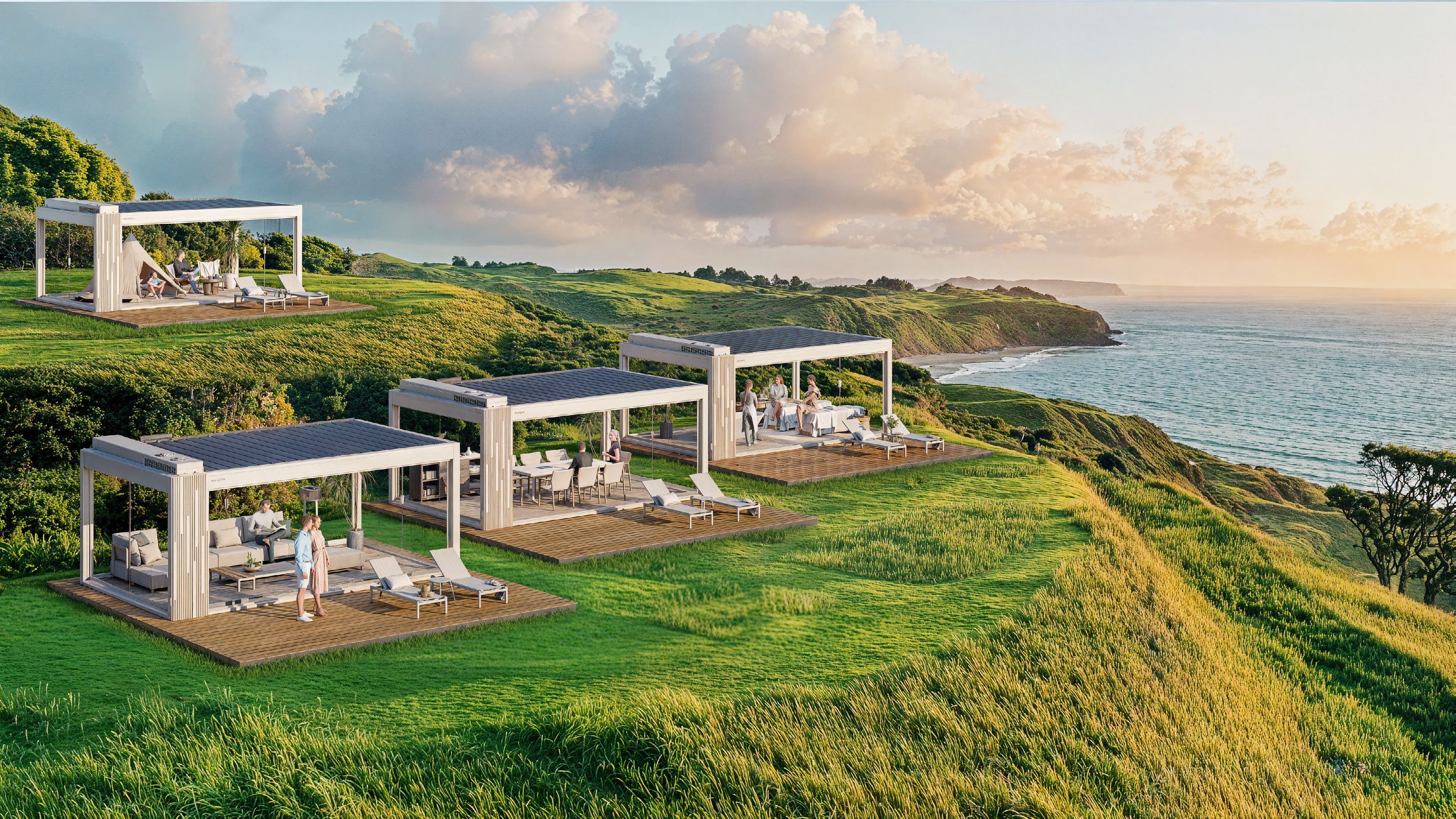
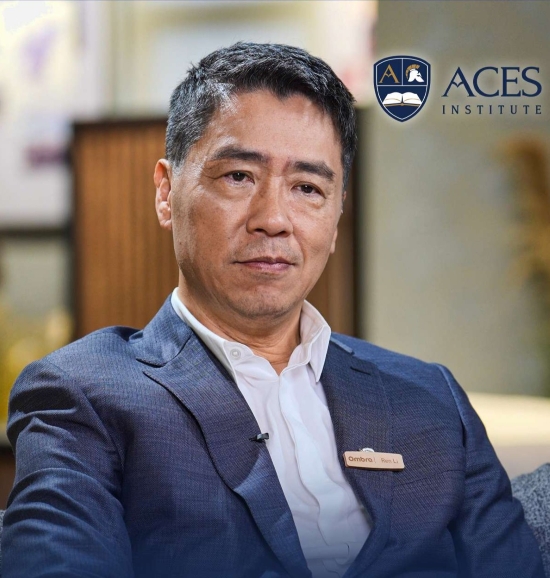
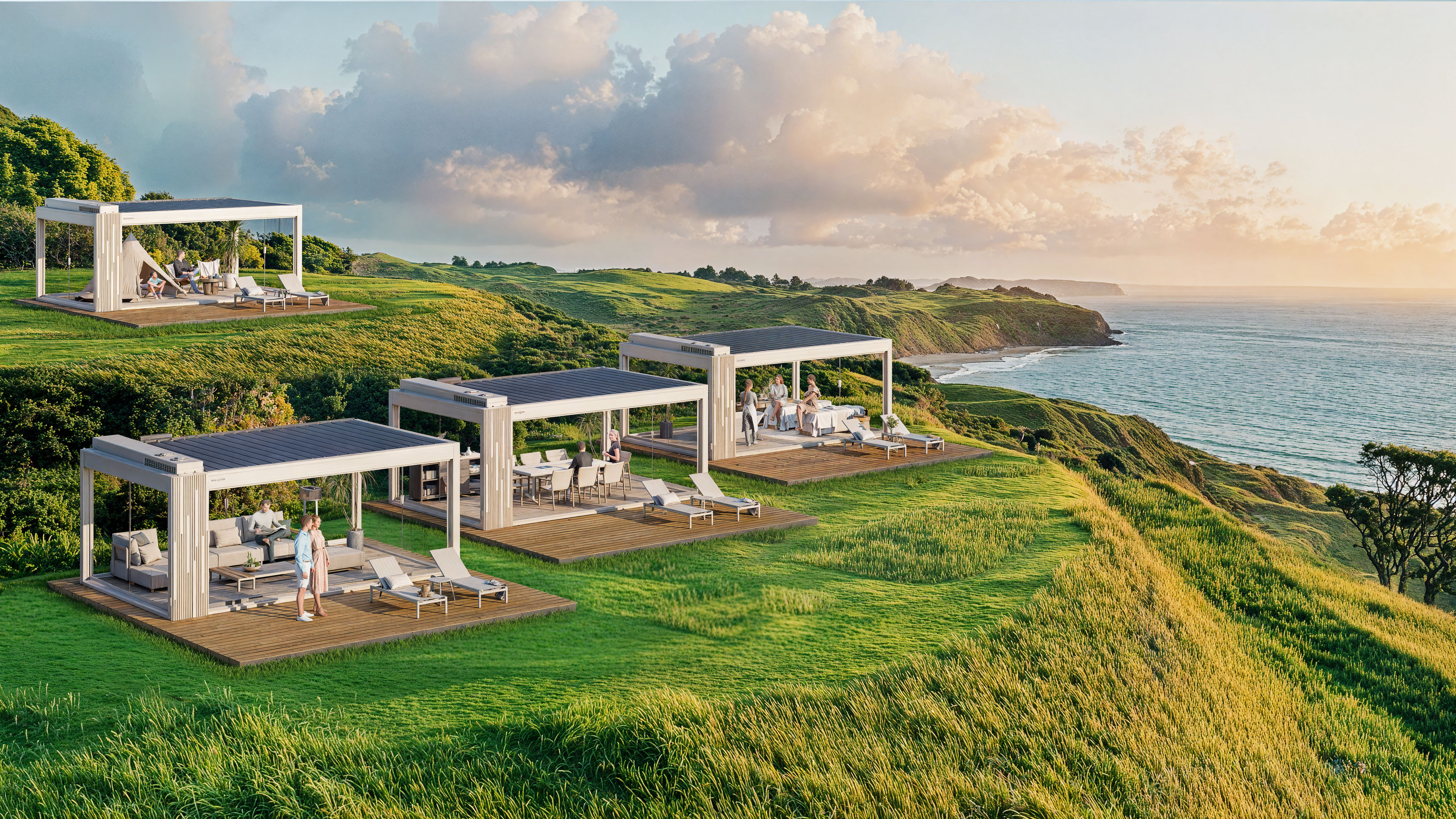
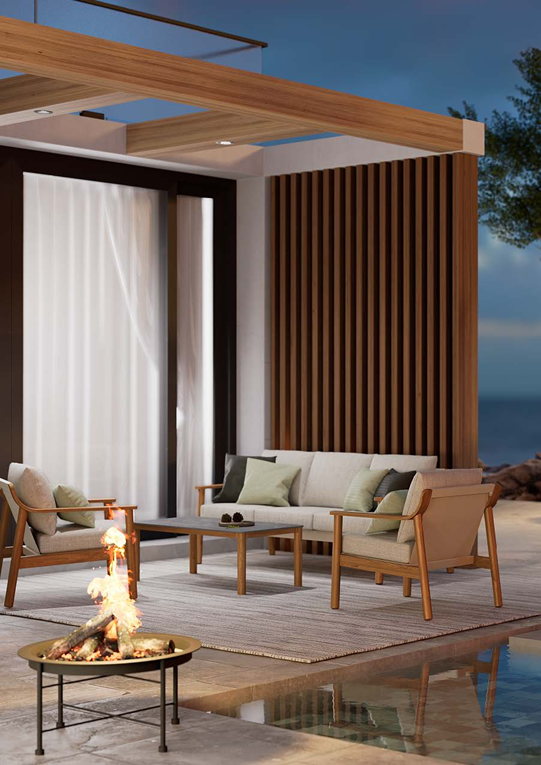
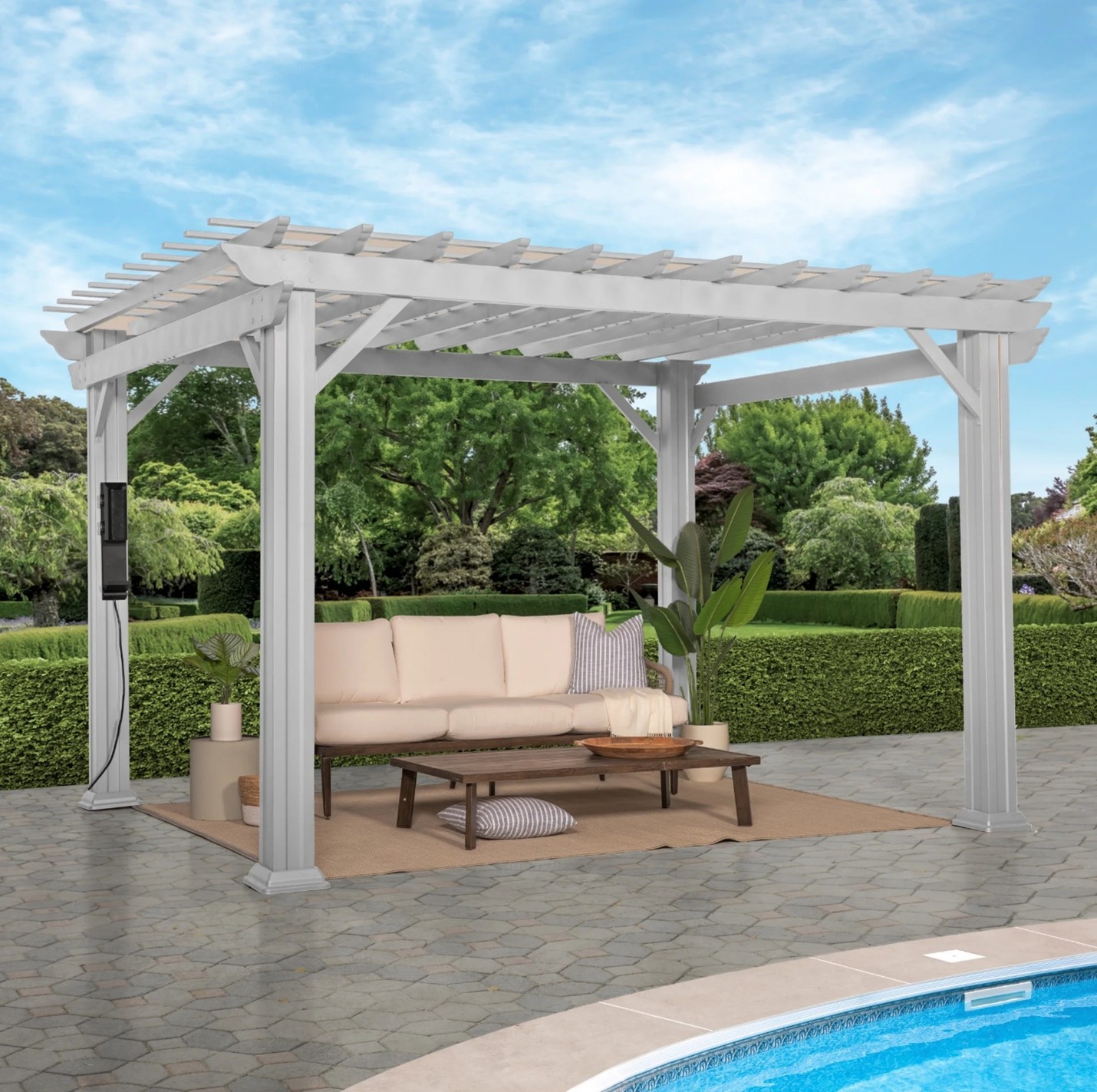
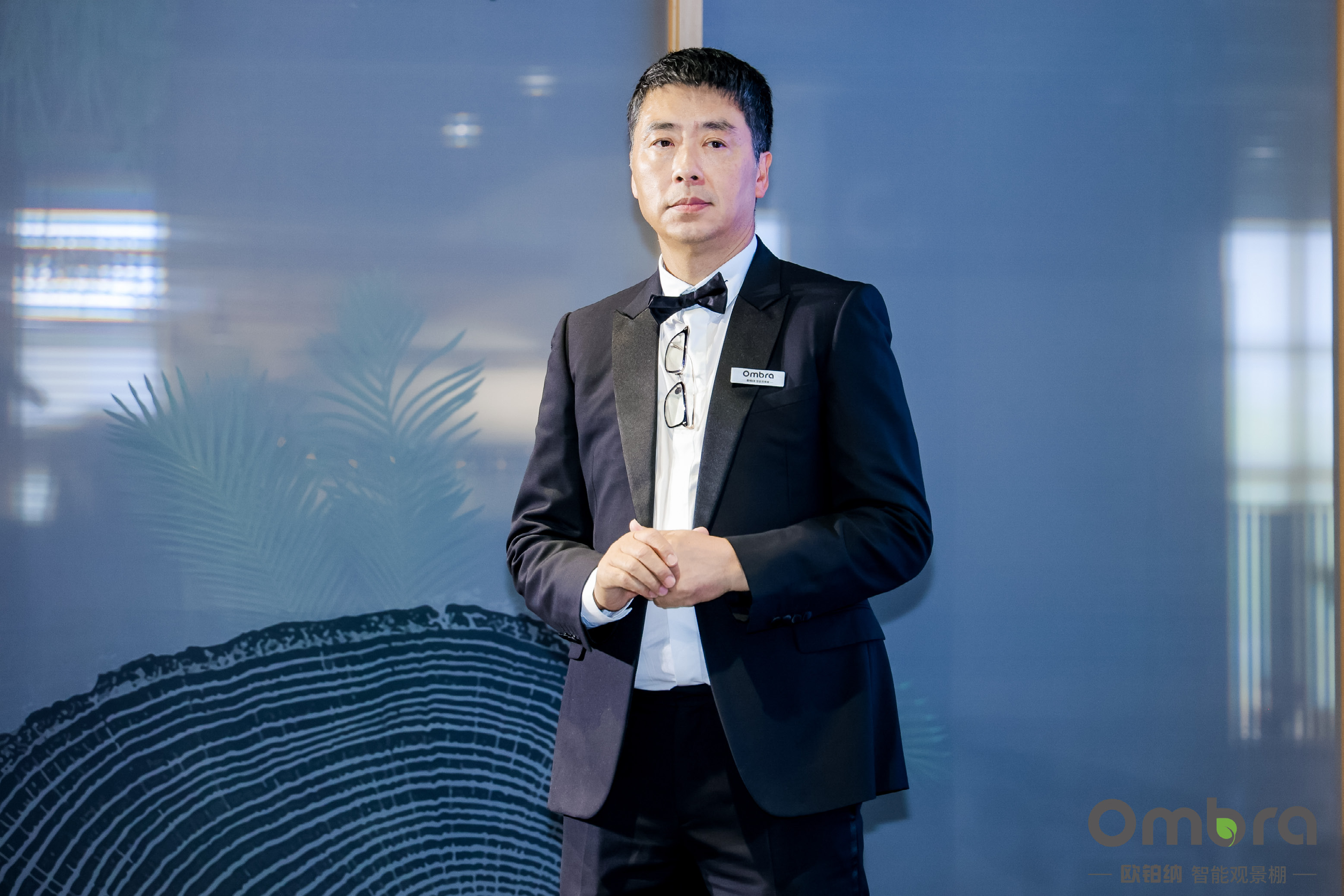
A tall, medium-sized man sits comfortably with his dog taking in the scenery of the Wengjiashan hill slopes where plantations of Longjing tea flourish. Dressed in casual, outdoorsy clothing, he smiles warmly, enjoying the moment, often glancing around with a look of appreciation as he shares stories about his long hours of work and the joy of seeing his vision come to life. While inside one of his signature outdoor creations, Ombra, an ultramodern solar pergola at his office, he reflected on his journey as an outdoor products entrepreneur, focusing on his decisions to protect the environment while staying profitable since starting his enterprise in the late 20th century. As the chairman and founder of Letright Industrial Corp. a company known for its luxurious outdoor products, Ren Li has transitioned from managing a profit-oriented firm to leading a sustainability-driven business venture. His journey embodies a sense of responsibility, resilience and risk-taking as he continually champions innovation in his company to ensure eco-friendly yet enjoyable outdoor living.
THE GENESIS: THE MAKING OF THE ECO-CONSCIOUS ENTREPRENEUR
Born in 1964 in the complex country of China, Ren Li has transitioned greatly, rising from a man solely focused on economic success to an eco-conscious entrepreneur. From an early stage in life, he was always concerned about the future and wanted to do something for himself, his family, and society in general. As such, he invested in education, with his mother being his biggest motivator. Despite his stellar performances in school, she always encouraged him to try harder and do better, attributes that greatly shaped the person is today. He endured poverty and insufficient nutrition in his childhood, a reason for which he was constantly "skinny." Besides being hungry for food, Ren Li was also curious and empty for fulfillment, pushing him to chase knowledge and education. He graduated with a Bachelor's degree in optical instruments from Zhejiang University in 1987 , and later got an MBA from the China Europe International Business School in 2012.
Between 1987 and 1995, he worked with various stateoperated enterprises (SOEs), before starting his own company. He started as an Engineer at the Hangzhou Optical Instrument Factory , where he worked from 1987until July 1988. He moved on to the Manager at Hangzhou Light and Industrial Products, Arts & Crafts, Textiles I/E Co., Ltd. , where he worked as the Manager from 1988 to 1995. In 1995, he founded Letright Industrial Corp. Ltd., an outdoor furniture. He is the current Chairman of the company in 2025. Although the company was initially named Hangzhou Zhongyi Trading Ltd, he renamed it to "Letright", to reflect his philosophy and desire to “do things right and do the right things” which greatly informs how he runs the company to this day. At this time, he wanted to succeed in life and recognized an opportunity in the outdoor furniture market. His entrepreneurial journey was motivated by his passion for outdoor living and China's prevailing conducive economic climate. He believes that the outdoor living experience is liberating and presents a touch of freshness to life.
During this time, the Chinese furniture industry was experiencing significant growth. Its value grew from 1 to 47 billion RMB between 1978 and 1988 [1]. In 2000, China became the market leader in the furniture industry, which made investing in it wise, timely and in tandem with his desire to succeed and self-actualization. During this dispensation, wood was the primary material used in furniture making due to various historical factors, including workability, aesthetic appeal, and cultural significance [2]. As a startup company with a leader keen on succeeding was therefore inclined to use wood as its main material resource. At the beginning of his entrepreneurial journey, his understanding and drive for sustainability had not evolved to the level they currently are. He confesses that:
I didn't know about sustainability before 2001 because I thought everything is just taken for granted. The earth is a place that we can do whatever we want.
This, however, was to change soon as he came face to face with the gruelling impact of his business practices on the environment.

WHEN BUSINESS GROWTH MEETS ENVIRONMENTAL GUILT
In 2001, after barely two years as an entrepreneur, Mr. Li visited one of his suppliers and witnessed a completely bare and unpleasant section of a once-forested hillside. The supplier explained that they had to cut down a lot of trees to meet his timber orders. Ren, a nature lover, was extremely shocked, appalled and pained by the impact of furniture making, which comprised his business operations.
"I saw all the trees cut and the whole mountain looked very poor, very ugly. All of a sudden, something came into my mind. What if everybody is doing the same? What if we take more and more from our Mother Earth?”
He knew there and then that he must find a way to protect the environment while still using this precious resource to sustain his business. The reality weighed heavily on him, challenging his values and business model. Despite environmental debates gaining traction globally in the late 20th century, with scientists and environmentalists highlighting the significant depletion of natural resources and potential ecological crisis [3], [4], environmental protection frameworks in China were still in their infancy or relaxed. They were mostly followed by choice rather than strict mandate [5]. Coincidentally, China joined the World Trade Organization (WTO) in 2001, improving market access, increasing demand, and lowering tariffs. This shift increased opportunities for existing furniture businesses; considering the world was enthralled by wooden furniture, new market access meant better sales opportunities, and Ren Li would be better off capitalizing on such for his business. He even testified that:
"I can satisfy customers' needs that every human being loves timber and loves wood texture simply because our ancestors evolved in the forest. So, timber is a material that they use the most."
Predicting consumer behaviour for sustainable products was challenging, especially considering price sensitivity outweighing awareness and personal values [6]. Despite the increasing sustainability awareness from the Millennium Development Goals, green purchase behaviour was not a priority for most consumers in the early 2000s. The preference for wood furniture coupled with loose legal guidelines could not easily trigger furniture entrepreneurs to deviate from the norm. Ren Li, therefore, faced a tough choice: continue with traditional practices or switch to a more unpredictable, eco-friendly path. At that time, there was no significant market pressure for eco-friendly products, as consumers were more driven by cost and other practical benefits than environmental concerns. Other factors amplified Ren Li's internal conflict. He lacked peer learning and mentorship for eco-friendly practices due to the apparent non-existent of exclusively eco-friendly furniture enterprises in China in the early 2000s. Although there was some groundwork for eco-friendly furniture development in China, there is no evidence of any taking radical measures to curb environmental concerns [5], [7], [8]. Documentation regarding Chinese manufacturers exclusively focusing on eco-friendly furniture during this period is scarce. This absence of mentors and peers meant that a manufacturer aiming to become fully sustainable would have little guidance or examples to follow. With most manufacturers using wood and consumers demanding it, Ren Li faced a crucial decision: follow the trend or his conscience?
NAVIGATING THE PATH TO SUSTAINABLE BUSINESS
Ren Li’s decision was guided purely by an internal conviction rather than external pressure. He becomes a lone ranger in his own company and the industry at large.
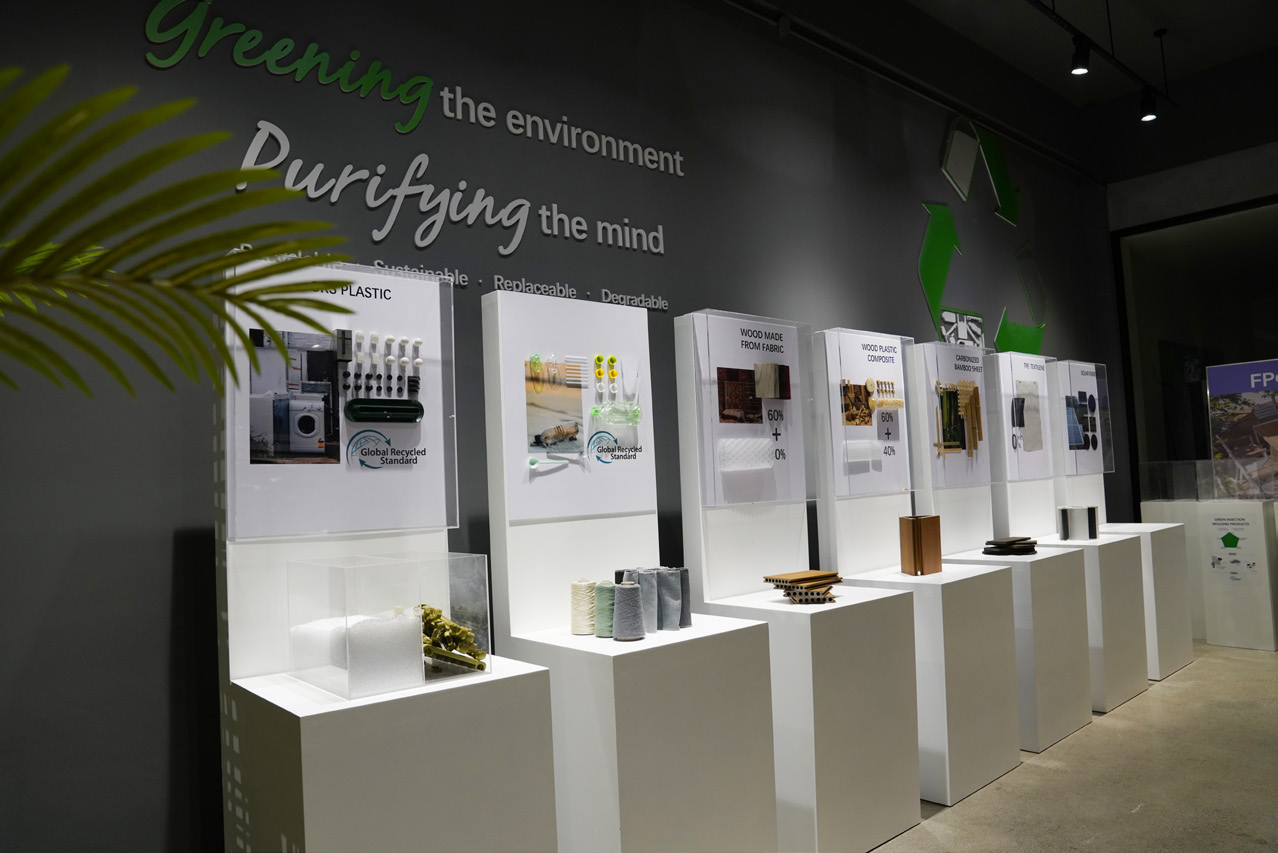
“I ordered my factory. Don't use any timber, don't use anything which will pollute the environment like PVC. I had a lot of regulation to my staff; I said, no PVC, no cadmium, no cutting of the trees. We will do as much as we can to be recyclable because if something is recyclable, I think we're doing the right thing to protect the earth because… So, we stopped the purchasing department from buying any wood…We stopped our sales company from trying to sell any wooden products."
Reflecting on his entrepreneurial journey from the start, he realized that while he was no longer alone physically, he was still isolated ideologically. Customers, staff members, and other stakeholders frequently told him he was making a mistake. Although the booming wood business and market trends pointed in the opposite direction of his conscience, he chose a path of less travelled, driven by a need to stay true to his principles. This seemed like an unwise business decision for someone who had always wanted to excel in everything he touched. Ren prioritized his commitment to sustainability over short-term gains, believing that true success lies in protecting the planet for future generations.
I…met so many challenges, and so much resistance not only from our internal people, our people but also from some consulting companies and other people. They say you have to be very aware of the risk…For instance, we have a company…they asked us to develop some wooden products...I said, no… And he said, why could you do that? You can have an FSC {Forest Stewardship Council}... I said…honestly speaking, I don't believe it.…So, every customer will ask why we are so stubborn. I always say, even if you think we are stubborn, this is our value, this is our principle…we don't do that.
THE POWER OF SUSTAINABLE SUCCESS
Although the Kyoto Protocol had been adopted in 1997, it did not come into force until 2005. Ren Li's decision to adopt sustainable practices predated its effectuation, contributing to the increasing call for the implementation of such treaties. His actions set a valuable precedent for environmental protection discourse and provided a compelling example for sustainability-minded entrepreneurs. A decision that is separate yet aligns with the principles echoed by a yet-to-be-enforced agreement signifies a remarkable dedication to the environment. Despite the potential negative impact on the economic performance of his business [9], this decision underscores a unique willingness to prioritize the planet over profits, reflecting a genuine concern for nature and a proactive approach to environmental stewardship. Additionally, his resolve aligned perfectly with the growing sustainable emphasis on environmental awareness and activism. The enactment of the Kyoto Protocol in 2005 marked a significant milestone in international efforts to combat deforestation and climate change [10], [11]. This regulatory shift and stricter local regulations created a favourable landscape for companies like Letright Industrial Corp., which prioritized sustainability. Both economic and environmental dynamics evolved to support his vision. China had just joined the World Trade Organisation (WTO) in 2001, and its economy was seeing an upward trajectory [12], [13]; the decision to focus on using aluminium and other sustainable materials to make its products paid off. He remarked:
But we kept on producing the aluminium or steel or other materials we developed, and they got more and more popular. If you are doing the thing that you think is correct, keep on doing that, the right thing will pay you back.
Ren worked diligently to educate and align his team with his long-term vision. He shared:
"I try my best to educate my staff to align with me and to understand how important it is and why I should do such because they don’t have the bigger picture like I did... I try to convince them to understand all the theories. I try to let them understand we can do this and still be profitable."
The combination of favourable economic conditions, evolving environmental regulations, and Ren Li's unwavering commitment to sustainability validated his pioneering approach. His story exemplifies how doing what is right, even in the face of doubt and economic challenges, can lead to long-term success [14], [15].
ORCHESTRATING A SUSTAINABLE FUTURE TOGETHER
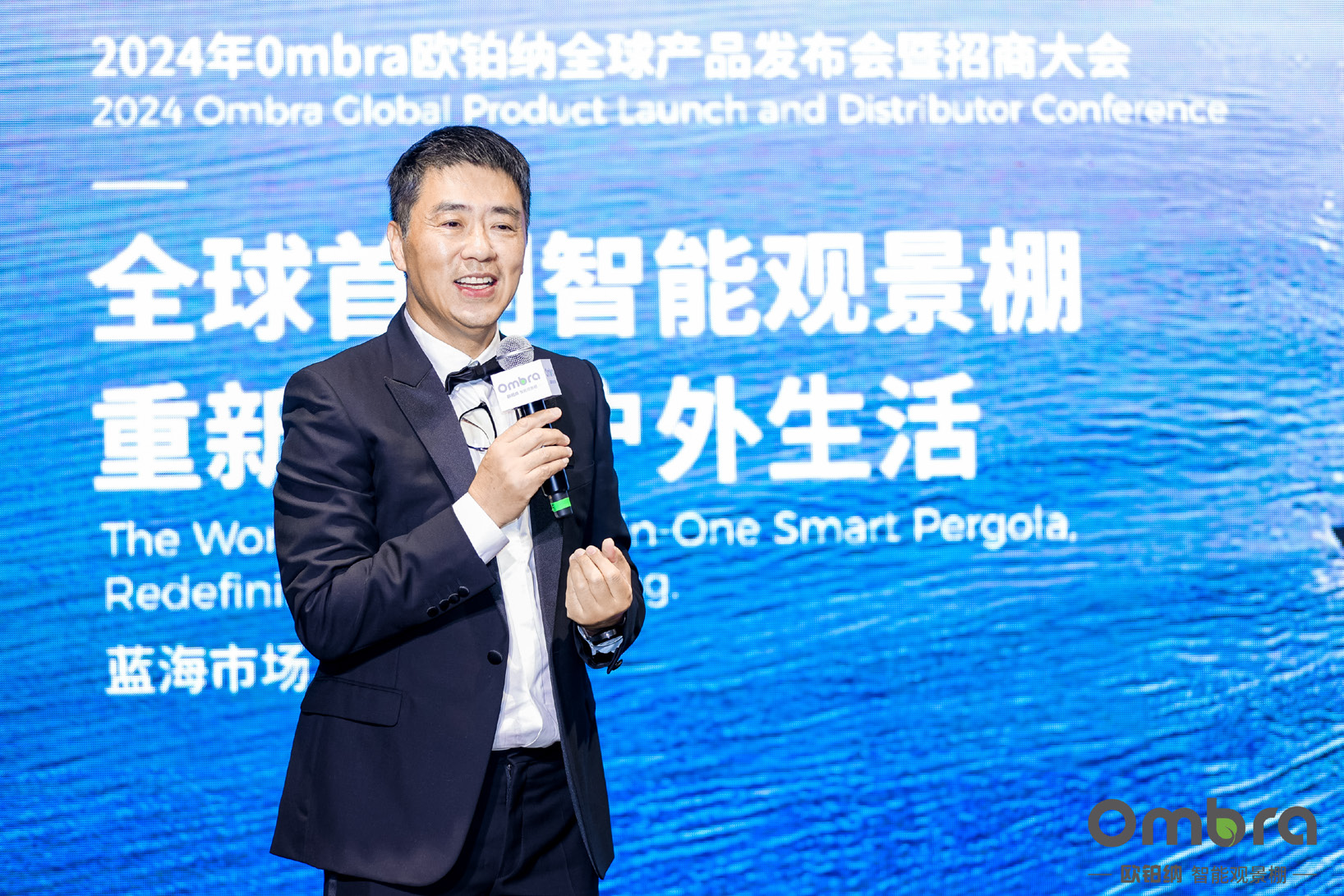
Currently, Ren Li has steered his business to greater heights. Letright Industrial Corp has established a substantial customer base in China and extended its operations to the USA, Canada, South America, and Europe. Additionally, Ren Li is exploring opportunities in the Middle East markets and eyeing the African tourist industry with its signature solar pergola product, the Ombra. Letright Industrial Corp continues to make headlines with recently winning the global 2020-2024 iF Design Award. Ren Li's philosophy is grounded in the belief that businesses must prioritise environmental stewardship to ensure a viable future for the planet. He says:
"We have only one globe, and nature was there long before human beings evolved, we are the sons of nature. We have to protect nature as it was or as it is today. We can’t do whatever we want; otherwise, it will be terrible."
His sustainable choices and practices have not come without a price but he also acknowledges the significant impact on profitability. He confessed that “by doing this we have lost a lot of orders. Because consumers love wood-looking, love wood very much.” Despite these challenges, Ren remains optimistic about the future, but he also took calculated steps to ensure that Letright’s products are marketable. Through their Research and Development (R&D) department, Ren Lis used materials such aluminium to mimic the appearance of wood to satisfy the customer’s aesthetic preferences but also maintain the company’s commitment of not using wood products. He narrates, “We have a great technology that we call heat transfer. Like you have seen in our company that you don’t know it is not wood before you touch it. So I'm very happy technology is very powerful.” One of Ren Li’s core messages is the necessity of collective action. He stated,
If there is only one company like us fighting, then we're alone. But the trend is that more and more millions of entrepreneurs are doing the same. So, I believe that human beings will be successful in keeping the environment habitable.
This call to action is a rallying cry for businesses worldwide to adopt sustainable practices, ensuring that they contribute to preserving our planet for future generations. Ren Li's journey underscores the importance of education and persistence in driving a sustainability agenda within an organization. He has successfully embedded his philosophy within Letright by inspiring his team and aligning them with his vision, thereby creating a culture that values environmental responsibility as much as profitability.
External / References
[1] Y. Hongqiang, J. Chunyi, N. Ying, and H.Yinxing, “China’s Wood Furniture Manufacturing Industry: Industrial Cluster andExport Competitiveness,” 2012. [Online]. Available:http://meridian.allenpress.com/fpj/article-pdf/62/3/214/1588833/0015-7473-62_3_214.pdf
[2] M. Sakagami and D. Sakaguchi,“Estimating Preferences for Wood Furniture in Terms of Sustainable ForestManagement,” Forests, vol. 13, no. 5, May 2022, doi: 10.3390/f13050687.
[3] R. Baum, “Sustainable Development – AModern Understanding of the Concept,” Annals of the Polish Association ofAgricultural and Agribusiness Economists, vol. XXIII, no. 2, pp. 9–29, Jun.2021, doi: 10.5604/01.3001.0015.0026.
[4] A.-P. Miró-Pérez and J. L. BusteloGracia, “The era of sustainable development and the challenge of climatechange,” Economía & Negocios, vol. 5, no. 1, Feb. 2023, doi:10.33326/27086062.2023.1.1570.
[5] Z. Mu, S. Bu, and B. Xue, “Environmentallegislation in China: Achievements, challenges and trends,” Sustainability (Switzerland),vol. 6, no. 12, pp. 8967–8979, 2014, doi: 10.3390/su6128967.
[6] Y. Joshi and Z. Rahman, “FactorsAffecting Green Purchase Behaviour and Future Research Directions,”International Strategic Management Review, vol. 3, no. 1–2, pp. 128–143, Jun.2015, doi: 10.1016/j.ism.2015.04.001.
[7] S. Yan, “Research on the SpatialCharacteristics and the Sustainable Development Strategies of Chinese FurnitureIndustry,” Current Urban Studies, vol. 05, no. 04, pp. 403–422, 2017, doi:10.4236/cus.2017.54023.
[8] M. Visser, “‘Made in China’, Developingsustainable furniture,” 2024. [Online]. Available: www.mariayee.com
[9] Y. Kim, K. Tanaka, and S. Matsuoka,“Environmental and economic effectiveness of the Kyoto Protocol,” PLoS One,vol. 15, no. 7, Jul. 2020, doi: 10.1371/journal.pone.0236299.
[10] UnitedNations Framework Convention on Climate Change, “What is the Kyoto Protocol_ _UNFCCC”.
[11] M.Grubb, “International Review for Environmental Strategies Special Feature onthe Kyoto Protocol Kyoto and the Future of International Climate ChangeResponses: From Here to Where?” 2004.
[12] WorldTrade Organization, “WTO _ Accessions_ China”.
[13] L.Branstetter and N. Lardy, “China’s Embrace of Globalization,” 2006.
[14] J.Soluri, “Something New Under the Sun: An Environmental History of theTwentieth-Century World. By J. R. McNeill,” J Soc Hist, vol. 36, no. 1, pp.183–185, Sep. 2002, doi: 10.1353/jsh.2002.0109.
[15] NRDC,“The Story of Silent Spring,” 2015. [Online]. Available: http://nrdc.org/