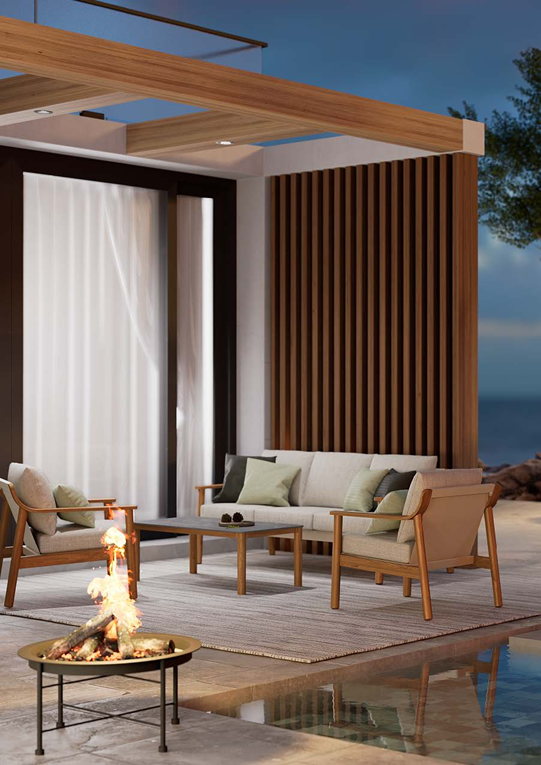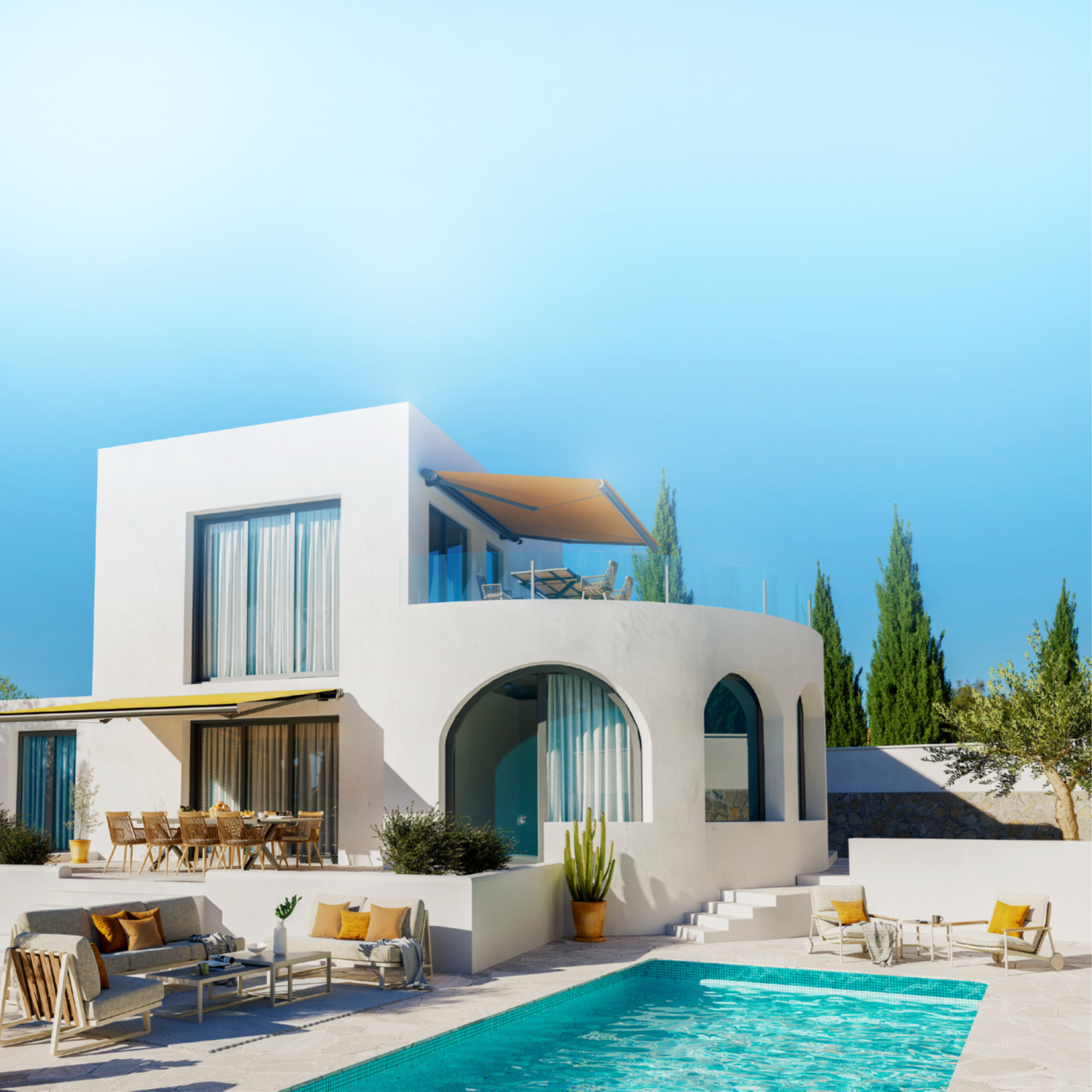
Then and Now: A Comparative Look at the Evolution of Pergolas
An interesting read following the evolution of pergolas: from primitive to marvels of sophistication.




APA 7th: Timothy, B., Ager, F., & Balakrishnan, S. (2025). Then and Now: A Comparative Look at the Evolution of Pergolas. ACES Institute.
MLA 9th: Timothy, Benson, et al. “Then and Now: A Comparative Look at the Evolution of Pergolas.” ACES Institute, 2025.
Cite Them Right (Harvard 12th Edition): Timothy, B., Ager, F. and Balakrishnan, S. (2025) ‘Then and Now: A Comparative Look at the Evolution of Pergolas’, ACES Institute[Preprint].
IEEE: B. Timothy, F. Ager, and S. Balakrishnan, “Then and Now: A Comparative Look at the Evolution of Pergolas,” ACES Insitute.
CMOS Authro-date: Timothy, Benson, Freddy Ager, and Shanggari Balakrishnan. 2025.“Then and Now: A Comparative Look at the Evolution of Pergolas.” ACES Institute.
AMA 11th Edition: 1. Timothy B, Ager F, Balakrishnan S. Then and Now: A Comparative Look at the Evolution of Pergolas. ACES Inst. Published online 2025.
Abstract
Pergolas enhance the livability of outdoor spaces by providing shelter and giving room for leisure. With numerous applications from gardens, patios, yards, and rooftops, they provide a visual appeal of an outdoor space while allowing people to enjoy the outdoors and natural light. For decades, they have evolved from simple structures into sophisticated, technology-integrated outdoor living products. They initially featured only vertical wooden pillars with open lattice covered with crawling plants, mostly providing shade and aesthetic appeal. Through generations of changes and technological advancement, they have grown into structures with fully or partially enclosable, transparent walls and roofs that can be operated from multiple angles. Additionally, some also feature opaque curtains that help enhance privacy if needed. While technology has been one of the most significant drivers of change and evolution of pergolas, like a double-edged sword, its contribution as a catalyst of environmental degradation is an open secret. Coupled with population growth, technological advancement led to increased and faster deforestation, destruction of ecosystems, resulting in the loss of biodiversity, and fueling climate change, which has piled pressure on various sectors to operate sustainably. Accordingly, multiple calls from various activists, governments, and world organizations began to raise alarm and awareness regarding the potential of continued indiscriminate deforestation. In response, pergola makers have begun transitioning to more eco-friendly materials like aluminium, composites, and recyclable plastics to replace wood in a bid to protect the environment from further degradation. Additionally, manufacturers also integrate clean energy systems, such as solar panels, into pergolas to support the integrated electronic smart systems. Finally, some modern pergolas feature smart systems for automated operations, making them both prestigious and sustainable, effectively entering into the era of sustainable luxury. From basic structures often found outside, pergolas have grown into sustainable luxury products that signify status. This article explores the evolutionary transformation that saw the world move from simple wooden structures to sophisticated smart home pergolas made of environmentally friendly and recyclable materials, while highlighting industry players that are playing along.
Copyright
Then and Now: A Comparative Look at the Evolution of Pergolas
Published by the ACES Institute
Published on 2nd December 2024
Serial Number: AI241202-CS105
Kuala Lumpur, Office Block #1-2, 48 Jalan Tun Mohd Fuad, TTDI, 60000 Malaysia
Copyright© 2024 ACES Institute. All rights reserved
Email: connect@acesinsittute.org Website: www.acesinstitue.org
Key Findings
Executive Summary
Pergolas enhance the liveability of outdoor spaces by providing shelter and giving room for leisure. With numerous applications from gardens, patios, yards, and rooftops, they provide a visual appeal of an outdoor space while allowing people to enjoy the outdoors and natural light. For decades, they have evolved from simple structures into sophisticated, technology-integrated outdoor living products. They initially featured only vertical wooden pillars with open lattice covered with crawling plants, mostly providing shade and aesthetic appeal. Through generations of changes and technological advancement, they have grown into structures with fully or partially enclosable, transparent walls and roofs that can be operated from multiple angles. Additionally, some also feature opaque curtains that help enhance privacy if needed. While technology has been one of the most significant drivers of change and evolution of pergolas, like a double-edged sword, its contribution as a catalyst of environmental degradation is an open secret. Coupled with population growth, technological advancement led to increased and faster deforestation, destruction of ecosystems, leading to loss of biodiversity, and fuelling climate change, which has piled pressure on various sectors to operate sustainably. Accordingly, multiple calls from various activists, governments, and world organizations began to raise alarm and awareness regarding the potential of continued indiscriminate deforestation. In response, pergola makers have started transitioning to more eco-friendly materials like aluminium, composites, and recyclable plastics to replace wood in a bid to protect the environment from further degradation.
Additionally, manufacturers integrate clean energy systems, such as solar panels, into pergolas to support the integrated electronic smart systems. Finally, some modern pergolas feature smart systems for automated operations, making them both prestigious and sustainable, effectively entering into the era of sustainable luxury. From basic structures often found outside, pergolas have grown into sustainable luxury products that signify status. This article explores the evolutionary transformation that saw the world move from simple wooden structures to sophisticated smart home pergolas made of environmentally friendly and recyclable materials, while highlighting industry players that are playing along.
Origin of Pergolas-Introduction
The term 'pergola' is derived from the Latin word 'pergula', which translates to an overhanging roof or a projecting eave in English. However, the word 'pergola' was first popularized by John Evelyn in 1654, when he described the sites he saw in Rome [1]. The first pergolas were used in ancient Egyptian gardens around 3000 BC. According to Wilkinson [2], the gardens were a haven of cool and shade as a pergola of vines covered them. They served a practical purpose, specifically providing shade from the scorching Egyptian climate for high-ranking officials. This oasis-like setting was popularized, becoming a significant part of social gatherings among loved ones. In Egypt, pergolas were constructed using stone and mudbrick and also featured supporting columns with overhead beams [3]. Natural stone monoliths dressed with stone columns and reinforced mudbrick posts were used instead of wooden posts. These structures spread to other parts of the world with increasing improvements. [1]
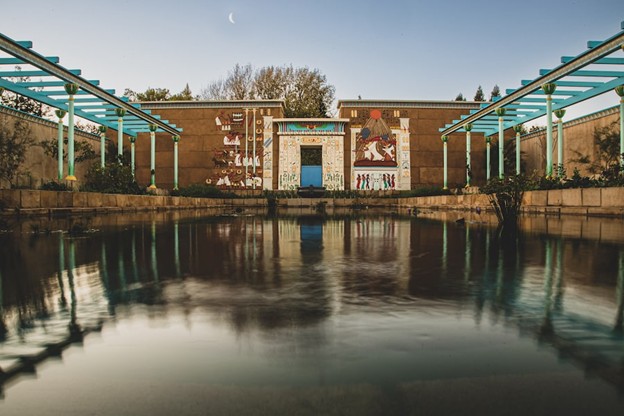
After years of being part of Egyptian culture, the Greeks and Romans adopted the idea but increased its functionality. The Greeks constructed their pergolas using marble and stone and decorated them with sculptures to represent their culture. Roman architecture influenced pergola designs, having borrowed to a great degree from Greek culture, but also incorporating some unique features into their designs [4]. For example, to build a stronger pergola structure, the Romans created more resilient materials such as wrought iron, which was not only aesthetically pleasing but also strong enough to hold up heavy objects like hanging gardens or fruit trees that often graced them. The introduction of these features made the pergolas evolve into essential garden features, providing refuge within lavish landscapes as structures that transcended their practical purpose and embodied symbolic importance as serene havens for reflection. They developed new and intricate lattice designs, creating a dynamic interplay of light and shadow and imparting a sense of spirituality [1]. Ultimately, ancient pergolas represented a seamless fusion of utility and meaning as they blended architectural elegance with the natural world in historical civilizations. Generally, these simple designs played a key role in the social and cultural life of Roman antiquity as a dining area, a vine-covered pavilion, or a source of shade against extreme weather conditions.
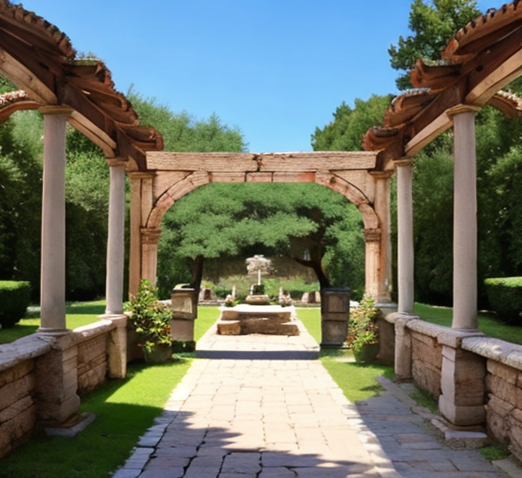
The Renaissance period (14th-17th century) marked a turning point for pergolas, as their blend of practicality and elegance fuelled their widespread adoption across Europe [1]. In Renaissance Italy, there was a resurgence of classical influences, with ancient designs and motifs inspiring new interpretations. Pergolas adorned with painted designs became iconic, reflecting not only artistic flair but also the era's growing fascination with natural history. Pergolas were viewed as a critical element of the garden and an object for cultural emulation among the educated patrons of early modern Rome. They transitioned from mere garden elements to luxurious expressions of sophistication and taste, embodying the refined aesthetics of the time. As Renaissance pergolas combined well with nature to create harmonious spaces, the architectural shift incorporated elaborate columns and ornamental elements like arches and columns, symbolically conveying cultural concepts. Between the 19th and 20th centuries, pergolas acquired a more classical design, which formed the design of structures in modern times. Advances in technology and materials, such as wood, made it possible to start a new stage for pergolas. Timber pergolas became commonly built to serve as structures for climbing plants as well as to cover seating areas where people could enjoy the garden without being completely exposed [3]. Wood was preferred because it was a readily available resource and also provided flexibility in terms of either treating it for a natural or rustic look. Despite maintaining the charm and utility of pergolas throughout the ages, the designs have continually evolved in contemporary societies due to an increased awareness of the impact of material selection and use on the environment.
Pergolas have evolved from garden structures made of wood, brick, or stone to modern outdoor living spaces made with aluminum, steel, or composite material for longevity. Their functions have also broadened beyond supporting plants to creating useful multifunctional areas in the backyards or patios. The move from using wood products to other materials in the production of pergolas was inspired by an increased environmental consciousness among producers and consumers. According to Adhikari and Ozarska [5], timber products have an ecological impact throughout the supply chain, from harvesting to disposal. In the late 20th century, the demand for wooden products increased significantly [6], [7], leading to an increased impact on the environment. This increase was mainly due to the popularity of wood back then, considering it was the material most humans were familiar with, and it is highly versatile and aesthetically pleasing. The increasing population growth, industrialization, and technological advancements led to an even intensified strain on forestry [8], [9], [10], further increasing the environmental concerns related to human activities and the production of wooden products. At the same time, deforestation contributes up to 12% of GHG emissions into the atmosphere [11]. This has been associated with increasing climate impact, leading to intensified calls for protecting the environment through the responsible use of natural resources. Consequently, manufacturers have been shifting to eco-friendly materials, both due to conscious decisions and increasing legal requirements and regulations. As the calls increased and the public became increasingly aware of the environmental impacts, more manufacturers of outdoor products, including pergolas, have begun to heed the calls for change.
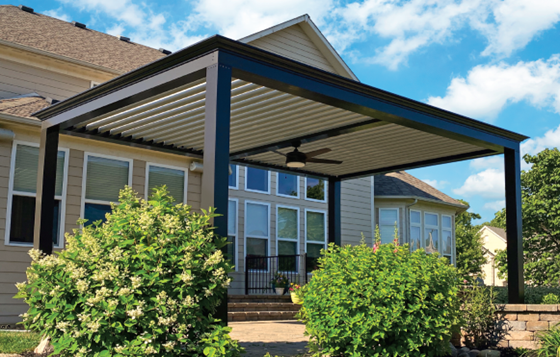
Understanding the impact of human activity on environmental degradation has prompted more entrepreneurs in the outdoor furniture sector to seek out alternative materials. For instance, Ren Li, the CEO of Letright Industrial Corp. (a manufacturer of outdoor furniture and an ultra-modern pergola called Ombra Smart pergola), decided to stop using wood in his company after witnessing the devastation caused by timber harvesting. This decision, made in 2001, can be seen as the starting point leading to the making of the Ombra smart pergola, since the product features exclusively eco-friendly materials. Besides personal convictions like Ren Li’s, the calls for lasting changes regarding environmental protection increased significantly in the first and second decades of the 21st century, following major treaties like the Kyoto Protocol and the Paris Agreement [13], [14]. The continued calls for sustainability have led to more consumer awareness, leading to changing consumer preferences and slightly increasing acceptance of sustainable or green products [15], [16]. However, despite the positive response, there is still a lot to be done to align the outdoor furniture industry with sustainability goals fully. Manufacturers have been making efforts to this end, as characterized by the increasing popularity of eco-friendly materials like aluminium in modern pergolas.
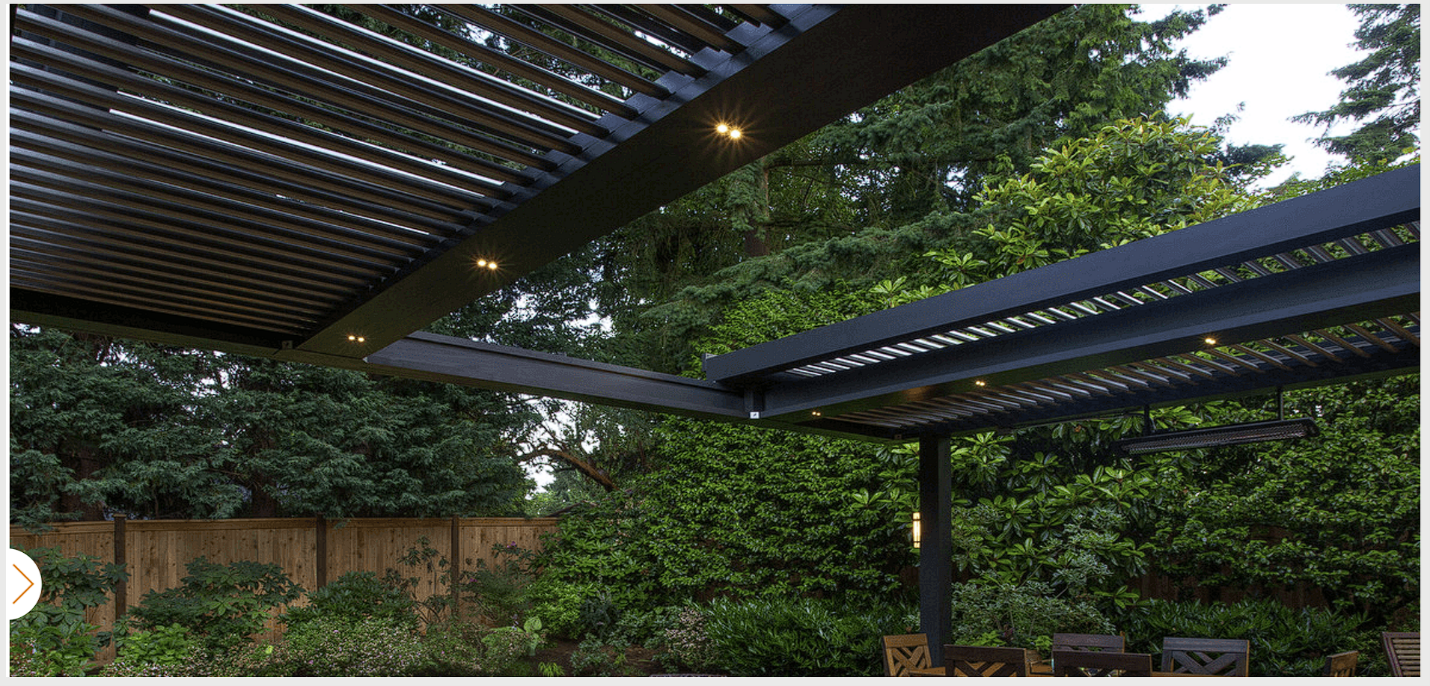
The use of aluminum in the production of pergolas is an elegant solution in modern times. Aluminium properties, including its resistance to corrosion and rust, strength, longevity, and low maintenance, make it ideal for building pergolas. Its corrosion resistance significantly reduces maintenance expenses and ensures continued good performance amid corrosive environments. Aluminium is also lightweight, therefore providing a reliable structural integrity for a broad range of
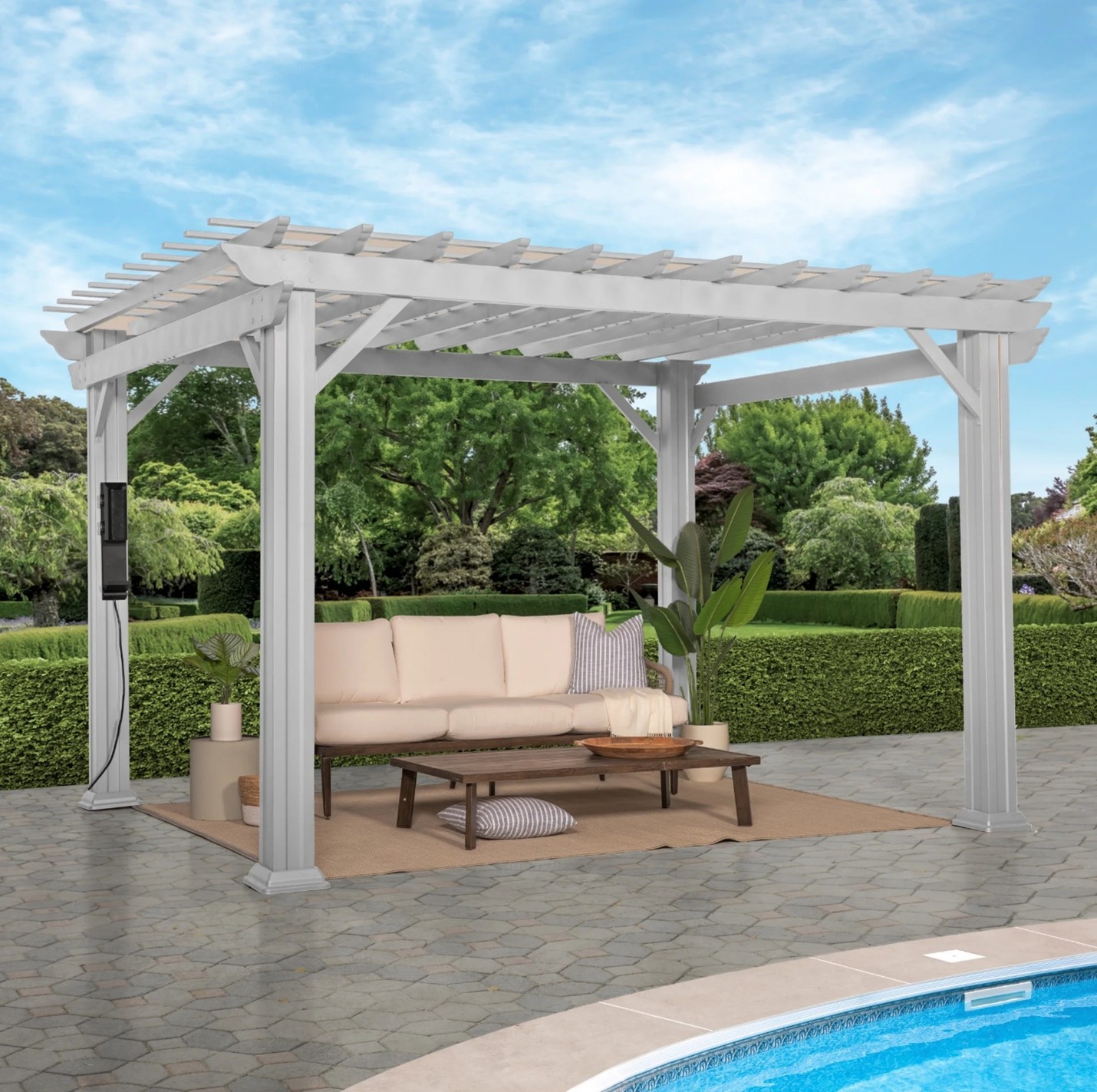
applications [17]. Discovered more than two centuries ago, aluminum has a lower specific weight compared to steel, which leads to a simplification of the erection process, a lesser load transmitted to foundations, and a reduction of physical labour [18]. The clean lines from extruded aluminium and the extensive range of colours available make aluminium pergolas a striking architectural feature with substantial aesthetic value. Other materials used include PVC as well as glass panels to promote the feeling of being outside, although sheltered from the weather elements. PVC is a lightweight sheet roofing solution that provides strong light transmission, making it a suitable material for modern pergolas. Examples of manufacturers that have transitioned from wood products to aluminium-incorporated pergola designs include The Luxury Pergola, Yongdi, and StruXure. The Luxury Pergola is made from aluminium alloys, which promise fade resistance and rust-free components [19]. Yongdi is another leading pergola supplier focused on the production of aluminium pergolas with a louver and retractable PVC. These modern pergolas have oxidation resistance, corrosion resistance, and moisture resistance, making them ideal in terms of durability[20]. Additionally, CPG International has also developed a smart pergola known as Pergola X through its subsidiary StuXure. In addition to being made of aluminium, Pergola X contains wind and rain sensors which help them automatically open to allow the wind to move throughout the system and to close to prevent rain from entering [21]. It is also integrated with the smart home system, which allows the user to control it on any smart device.
Emergence of Solar Pergolas: Technological integration
The use of solar energy as an alternative source of energy reflects technological progress to meet the growing needs of modern life applications. Most importantly, the incorporation and use of solar energy in urban furniture is a sustainable and innovative approach to urban design and can reduce the carbon footprint and environmental impact of their production [22]. At the same time, it offers the benefits of cost-effectiveness, practicality, and aesthetic value. In contemporary societies, there has been an increase in the utilization of green energy to conserve the environment. After 196 countries signed the Paris Agreement on Climate, firms are increasingly finding viable and sustainable renewable sources to power their manufacturing processes [23]. Additionally, technological advancements, governmental support, and shifting consumer priorities are key motivational factors for this shift. One of the most significant factors is the rapid improvement in solar panel efficiency and battery technology. Modern batteries now offer extended lifespans, higher energy storage capacities, and faster recharge rates, making solar energy a reliable and scalable option for powering outdoor products and manufacturing systems.
Governments worldwide have also played a critical role by introducing incentives, subsidies, and regulations aimed at promoting renewable energy. Policies such as tax credits for solar installations, grants for green manufacturing projects, and renewable energy mandates have encouraged industries to transition to solar-powered processes [24]. Additionally, growing consumer demand for sustainable products and heightened awareness of environmental issues, such as climate change and resource depletion, have pressured manufacturers to adopt cleaner and greener energy solutions. Cost reductions in solar technology, coupled with the long-term economic benefits of energy independence and reduced operational costs, have further made solar energy an attractive choice for outdoor manufacturing [25]. Together, these factors have catalysed a global shift towards integrating solar energy into industrial and commercial outdoor applications.
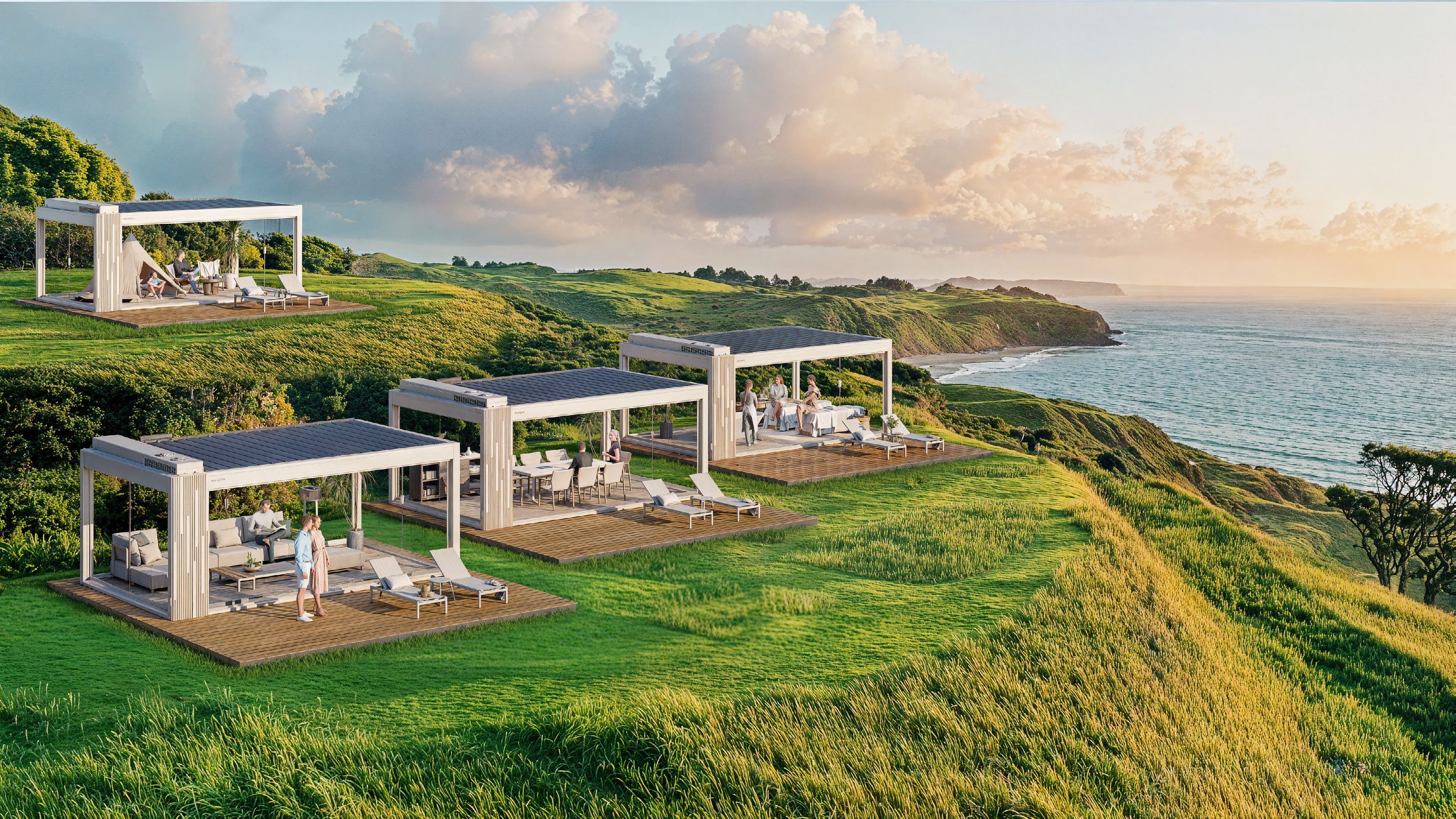
Solar pergolas are equipped with highly efficient photovoltaic panels that provide the necessary energy to power the structure and other accessories such as USB sockets or speakers. The integration of solar panels in the pergolas also enables the user to generate electricity that can be used to light the surrounding area. The advancement of batteries and their ability to store energy also facilitates a trouble-free operation of the pergola even during cold weather or at night. Examples of modern solar pergolas include Pergola X, The Luxury Pergola, and Letright's Ombra design. The Ombra integrates solar panels used to capture and convert solar energy to reduce customers' reliance on non-renewable energy sources such as electricity. At the same time, this product utilizes an innovative air conditioning system aimed at promoting a comfortable outdoor environment by managing temperature while minimizing energy consumption.
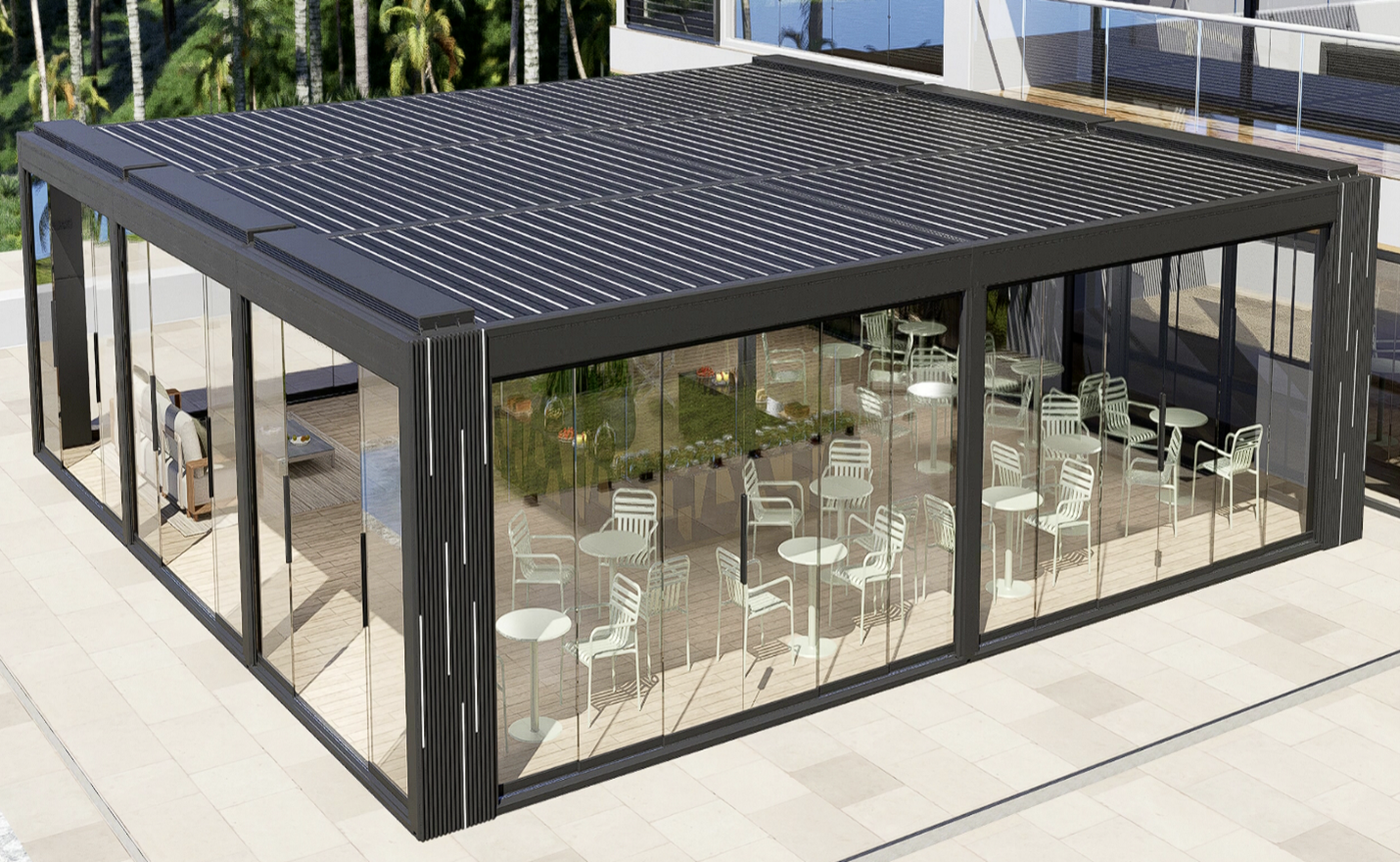
Smart Pergolas and Contemporary Innovations: Into the Era of Sustainable Luxury
In the past, it was unlikely to merge the concepts of sustainability and luxury. However, the concept of sustainable luxury is gradually gaining popularity. According to Zhao et al. [26], sustainable luxury refers to the practice of blending high-end goods, services, and experiences with principles of environmental and social responsibility. Sustainability involves engaging in business activities that address the current consumer needs while preserving resources for future generations. This approach ensures production processes are sustainable from the design and selection of eco-friendly materials to manufacturing and disposal. In modern times, brands investing in green technologies, ethical sourcing, and transparent sustainability practices are more likely to attract and retain environmentally conscious consumers [27]. In the outdoor sector, luxury involves the use of innovative features such as smart control and automatic sensors, which lead to enhanced comfort for the user. Firms are constantly innovating products aimed at improving user experience while conserving the environment. Luxury outdoor furniture is at the forefront of this shift, combining aesthetic appeal, functionality, and a commitment to environmental stewardship.
One of the critical luxury features of a smart pergola is its integration with smart home systems. These innovative products in the market allow for compatibility and versatility within home systems for any weather condition. By combining technology (smart features) with sustainable materials (aluminium, recyclable PVC, and wood-plastic composites), smart pergolas provide an energy-efficient solution that aligns with the modern push toward luxurious, environmentally friendly living. A key highlight of these systems is the louvered design, which not only optimizes comfort but also enhances the overall smart home experience [28]. Users can adjust the louvered panels to regulate sunlight, ventilation, and shade, ensuring ideal conditions for outdoor spaces throughout the day. Additionally, these pergolas incorporate advanced, remote-controlled roof systems that can be activated at the touch of a button, making it effortless to adapt to changing weather conditions [21]. The integration of remote-controlled functionalities, including app-based commands, adds an extra layer of convenience by enabling homeowners to manage the pergola's features from anywhere via their smartphones or home automation hubs.
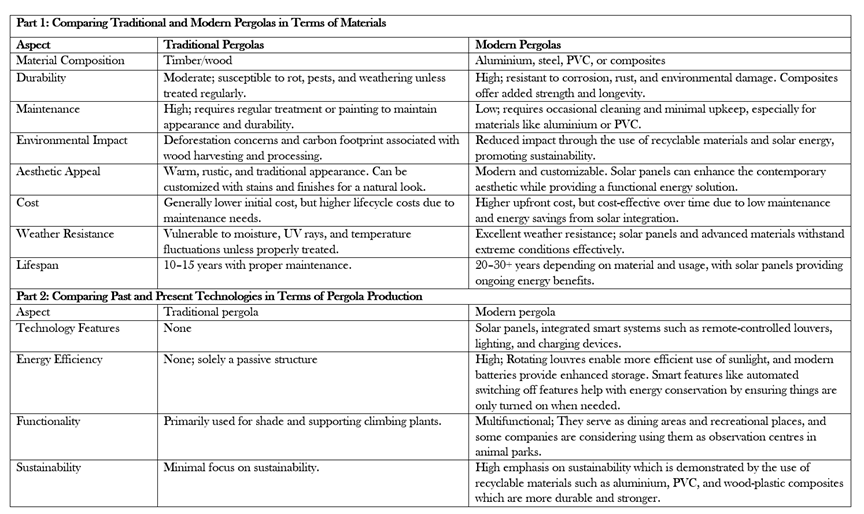
Comparative Analysis
There is a stark difference between traditional and modern pergolas. Advancements in technology and innovation have made it possible to use durable and sustainable materialsto not only contain costs in the long run but also safeguard the environment. Historically, pergolas were primarily constructed from natural materials such as wood, stone, or wrought iron. These materials were often susceptible to environmental wear and tear, requiring significant maintenance to preserve their integrity. Furthermore, traditional designs focused largely on providingshade and enhancing garden aesthetics, with little consideration forsustainability or extended functionality. The environmental impact of thesematerials, especially wood, also raised concerns due to deforestation and theenergy-intensive processes required to extract and shape stone or iron.
In contrast, modern pergolas have embraced technological advancements and innovative designs to revolutionize outdoor living. The use of durable and sustainable materials such as aluminum, PVC, and composites ensures longevity, weather resistance, and minimal maintenance. Solar-integrated panels are now a common feature, transforming pergolas from static garden structures into dynamic, energy-generating systems [28]. These panels not only reduce reliance on non-renewable energy sources but also power integrated features such as lighting, USB ports, and even temperature control systems, making modern pergolas multifunctional and efficient. For example, the Ombra, a flagship product of Letright, reflects the company’s vision of blending aesthetics with sustainability. This modern pergola is designed with recyclable materials such as aluminium and glass, adding to its eco-friendliness. It offers an elegant and modern alternative to traditional pergolas while addressing contemporary energy and environmental concerns.
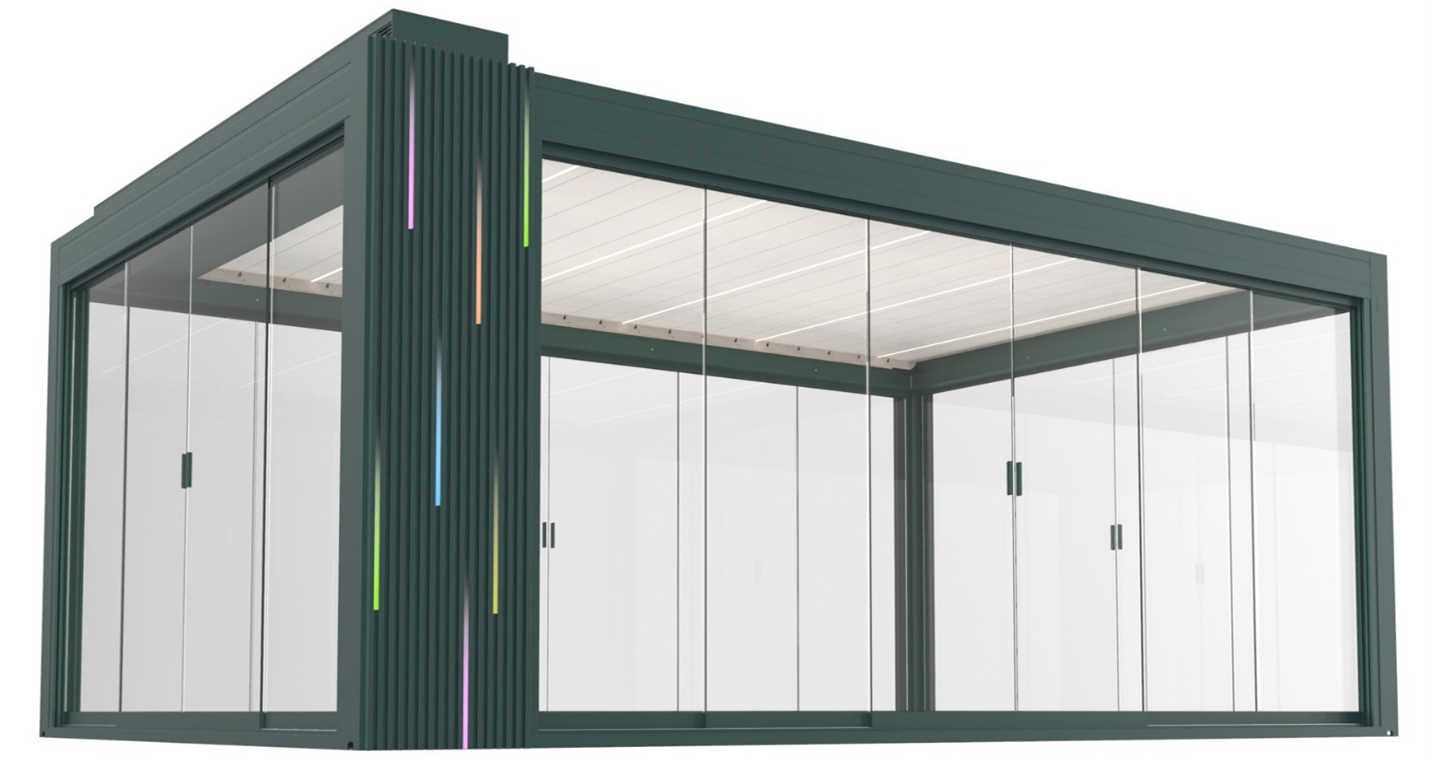
The shift to sustainable materials reflects an increased awareness of environmental responsibility. According to Kunz et al. [29], more consumers, especially those interested in sustainable luxury, are placing a high demand on companies to assess their production processes to ensure an eco-friendly product lifecycle from selection and use of raw materials to disposal of the end product. For instance, composites and aluminium offer superior durability and reduce the carbon footprint associated with production. Additionally, modern pergolas incorporate cutting-edge technology like smart home integration and remote-controlled systems. Users can manage louvers, lighting, and other features through smartphone apps, creating a seamless blend of luxury and convenience. These innovations not only enhance user experience but also promote energy efficiency and environmental sustainability. The evolution of pergolas highlights how advancements in technology and innovation have transformed these structures into sustainable, cost-effective, and multifunctional assets. By prioritizing durability, energy efficiency, and eco-conscious design, modern pergolas address the needs of contemporary lifestyles while safeguarding the environment for future generations.
External / References
[1] N. Nonaka, “Renaissance Porticoes and Painted Pergolas,” 2017.
[2] A. Wilkinson, “Gardens in ancient Egypt: Their locations and symbolism,” The Journal of Garden History, vol. 10, no. 4, pp. 199–208, Oct. 1990, doi: 10.1080/01445170.1990.10408291.
[3] M. Bekin, “The History of the Pergola _ Blog _ EcoChoice,” 2023.
[4] T. Edensor, “Learning from Hampstead’s Pergola: walking and image-making at a spectacular Edwardian structure,” Landsc Res, vol. 48, no. 1, pp. 120–133, 2023, doi: 10.1080/01426397.2022.2141700.
[5] S. Adhikari and B. Ozarska, “Minimizing environmental impacts of timber products through the production process ‘From Sawmill to Final Products,’” Dec. 01, 2018, Springer Medizin. doi: 10.1186/s40068-018-0109-x.
[6] P. Prochazka et al., “Understanding the socio-economic causes of deforestation: a global perspective,” Frontiers in Forests and Global Change, vol. 6, 2023, doi: 10.3389/ffgc.2023.1288365.
[7] D. Wear and A. Bartuska, “Forest Carbon 201: Land Use Effects of Wood Product Markets A review of how markets for durable wood products in the United States alter land uses and carbon sinks in the built environment and forests, and the associated climate impacts.,” 2021. [Online]. Available: https://www.rff.org/publications/explainers/forest-carbon-201-land-use-effects-of-wood-product-markets/
[8] R. P. Kaur, “Impact of Industry on the Forest Resources,” in Journal of Physics: Conference Series, Institute of Physics Publishing, Jun. 2020. doi: 10.1088/1742-6596/1531/1/012049.
[9] N. A. Roshni, M. K. Hasan, R. Akter, A. K. M. A. U. D. Prodhan, and A. Sagar, “Impacts of Industrialization on Plant Species Composition, Diversity, and Tree Population Structure in Tropical Moist Deciduous Forest in Bangladesh,” International Journal of Forestry Research, vol. 2022, 2022, doi: 10.1155/2022/3959617.
[10] J. Thøgersen, “Consumer behavior and climate change: consumers need considerable assistance,” Dec. 01, 2021, Elsevier Ltd. doi: 10.1016/j.cobeha.2021.02.008.
[11] D. Brack, “Background Analytical Study Forests and Climate Change,” 2019.
[12] P. Hill, “A RAINPROOF Pergola? How Much SNOW? Q&A,” 2024. [Online]. Available: https://theluxurypergola.com/blogs/louvered-roof-info/do-pergolas-provide-shade
[13] Y. Kim, K. Tanaka, and S. Matsuoka, “Environmental and economic effectiveness of the Kyoto Protocol,” PLoS One, vol. 15, no. 7, Jul. 2020, doi: 10.1371/journal.pone.0236299.
[14] F. Gordon, “Climate Change Policies after the 2015 Paris Agreement,” 2016. [Online]. Available: http://www.nytimes.com/interactive/2015/11/28/science/what-is-climate-
[15] B. J. Am, S. Noble, A. Malik, V. Doshi, and S. Frey, “Consumers care about sustainability-and back it up with their wallets A joint study from McKinsey and NielsenIQ examines sales growth for products that claim to be environmentally and socially responsible,” 2023. Accessed: Jul. 03, 2024. [Online]. Available: https://www.mckinsey.com/industries/consumer-packaged-goods/our-insights/consumers-care-about-sustainability-and-back-it-up-with-their-wallets#/
[16] K. P. Reddy, V. Chandu, S. Srilakshmi, E. Thagaram, C. Sahyaja, and B. Osei, “Consumers perception on green marketing towards eco-friendly fast moving consumer goods,” International Journal of Engineering Business Management, vol. 15, Jan. 2023, doi: 10.1177/18479790231170962.
[17] S. Capuzzi and G. Timelli, “Preparation and melting of scrap in aluminum recycling: A review,” Apr. 01, 2018, MDPI AG. doi: 10.3390/met8040249.
[18] J. Peko, N. Torić, and I. Boko, “COMPARATIVE ANALYSIS OF STEEL AND ALUMINUM STRUCTURES,” Elektronički časopis građevinskog fakulteta Osijek, pp. 50–61, Dec. 2016, doi: 10.13167/2016.13.6.
[19] The Luxury Pergola, “Our Story The Luxury Pergola From Our Family to Yours,” 2024. [Online]. Available: https://theluxurypergola.com/pages/about-us
[20] Yongdi, “Who we are,” 2024. [Online]. Available: https://www.yongdioutdoors.com
[21] CPG International., “Struxure - Inovation _ The Worlds Smartest Pergola,” 2024.
[22] B. S. Alotaibi et al., “Integrating Renewable-Based Solar Energy into Sustainable and Resilient Urban Furniture Coupled with a Logical Multi-Comparison Study of Cyprus and Saudi Arabia,” Processes, vol. 11, no. 10, Oct. 2023, doi: 10.3390/pr11102887.
[23] S. Hatamifard, S. J. Farajallah Hosseini, and S. mehdi Mirdamadi, “Factors affecting the utilization of solar energy: An approach to sustainable rural development in Iran,” Front Energy Res, vol. 11, Feb. 2023, doi: 10.3389/fenrg.2023.1108620.
[24] X. Yang, L. He, Y. Xia, and Y. Chen, “Effect of government subsidies on renewable energy investments: The threshold effect,” Energy Policy, vol. 132, pp. 156–166, Sep. 2019, doi: 10.1016/j.enpol.2019.05.039.
[25] N. Tryndina et al., “Renewable energy incentives on the road to sustainable development during climate change: A review,” Front Environ Sci, vol. 10, Oct. 2022, doi: 10.3389/fenvs.2022.1016803.
[26] L. Zhao, J. Peng, and S. Yu, “Sustainable Luxury and Consumer Purchase Intention: A Systematic Literature Review,” Sage Open, vol. 13, no. 4, Oct. 2023, doi: 10.1177/21582440231216285.
[27] C. E. Henninger and N. K. Athwal, “PALGRAVE ADVANCES IN LUXURY Sustainable Luxury An International Perspective.” [Online]. Available: https://www.
[28] R. Williams, “Smart Pergola: Smart Home Devices,” 2023. [Online]. Available: https://theluxurypergola.com/blogs/louvered-roof-info/smart-pergola-smart-home-devices#:~:text=Jun
[29] J. Kunz, S. May, and H. J. Schmidt, “Sustainable luxury: current status and perspectives for future research,” Business Research, vol. 13, no. 2, pp. 541–601, Jul. 2020, doi: 10.1007/s40685-020-00111-3.