Sustainability In the Outdoor Furniture: A Call for Industry-Wide Change
A call for sustainable practices in the outdoor furniture industry, with lessons from Letright Industrial Corp. A company leading the way




APA7: Timothy, B.,Ager, F., & Balakrishnan, S. (2025). Sustainability in the Outdoor Furniture: A Call for Industry-Wide Change.
Chicago Mannual of Style: Benson Timothy, Freddy Ager, and Shanggari Balakrishnan. 2025. Sustainability in the Outdoor Furniture: A Call for Industry-Wide Change.
Cite Them Right-Harvard 12 Edition: Timothy, B., Ager, F. and Balakrishnan, S. (2025) Sustainability in the Outdoor Furniture: A Call for Industry-Wide Change.
IEEE: B. Timothy, F. Ager, and S. Balakrishnan, “Sustainability in the Outdoor Furniture: A Call for Industry-Wide Change,” 2025.
Abstract
In urban environments, outdoor spaces play a crucial role in socialisation, recreation and defining the quality of urban living. Outdoor living products like furniture and pergolas can improve the visual allure and usefulness of these spaces adding to the overall positive feeling and convenience while also satisfying people's utilitarian and aesthetic demands. As such, the global outdoor furniture industry is crucial to today’s development and is projected to continue growing in the foreseeable future, with an estimated growth reaching 5.9% CAGR between 2021 to 2027. This growth is also associated with significant forest loss, which raises various sustainability concerns such as environmental degradation and climate change. Consequently, there is a growing need for sustainable development strategies to mitigate the adverse impacts associated with outdoor furniture development. Letright Industrial Corp., a key player in the outdoor furniture industry has made considerable steps in leading the way to environmental guardianship by producing responsibility using sustainable materials. Key lessons from their experience include the importance of understanding customer preferences, engaging stakeholders in sustainability discussions, and investing in renewable energy technologies. By adopting these strategies, the outdoor furniture industry can collectively transition towards more sustainable practices, ensuring long-term environmental and economic benefits.
Key words; outdoor furniture, sustainability, economical materials, challenges
Copyright
Sustainability in the Outdoor Furniture: A Call for Industry-Wide Change
Published by the ACES Institute
Published on 26th July 2024
Serial Number: AI240726-TA101
Kuala Lumpur, Office Block #1-2, 48
Jalan Tun Mohd Fuad, TTDI, 60000 Malaysia
Copyright © 2024 ACES Institute. All rights reserved
Email: connect@acesinsittute.org
Website: www.acesinstitue.org
Key Findings
INTRODUCTION
In urban environments, outdoor spaces like patios, rooftops and balconies play a crucial role in socialisation and recreation, defining the quality of urban living. Outdoor furniture and structures can improve the visual allure and usefulness of these spaces by offering comfortable seating choices and insulation, adding to the overall positive feeling and convenience while also satisfying people's utilitarian and aesthetic demands [6], [9]. As such, the global outdoor furniture industry is crucial to today’s development. Estimated at approximately USD 609 billion in 2019 [1], by market size, the value of the furniture industry is projected to grow by 5.4% CAGR between 2021 and 2027 [2]. On the other hand, the outdoor furniture industry is projected to grow by more than 5.9% CAGR within the same period, with Asian makers leading the market [3]. This growth raises sustainability concerns, including environmental degradation and climate change, creating a growth for sustainable development strategies to mitigate the adverse impacts associated with outdoor furniture development [4], [5]. Ensuring sustainability in outdoor product development may involve deliberate choices including selecting appropriate materials and using green production strategies [6]. However, adopting sustainable practices is marred by various challenges, including financial, legislative and business-related shortcomings, necessitating careful planning and effective strategies. Building on the insights from Letright Industrial Corp. and evidence from the literature, this report aims to increase awareness about the importance of sustainability among stakeholders, identify key challenges facing sustainability, and propose actionable solutions for implementing sustainable practices in the outdoor furniture industry, encouraging industry-wide change through collective efforts.
AN OVERVIEW OF SUSTAINABLE DEVELOPMENT IN THE OUTDOOR FURNITURE INDUSTRY
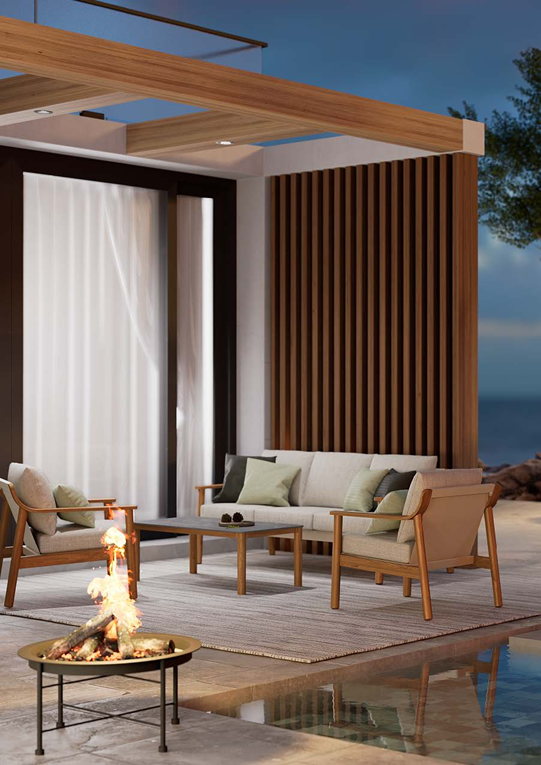
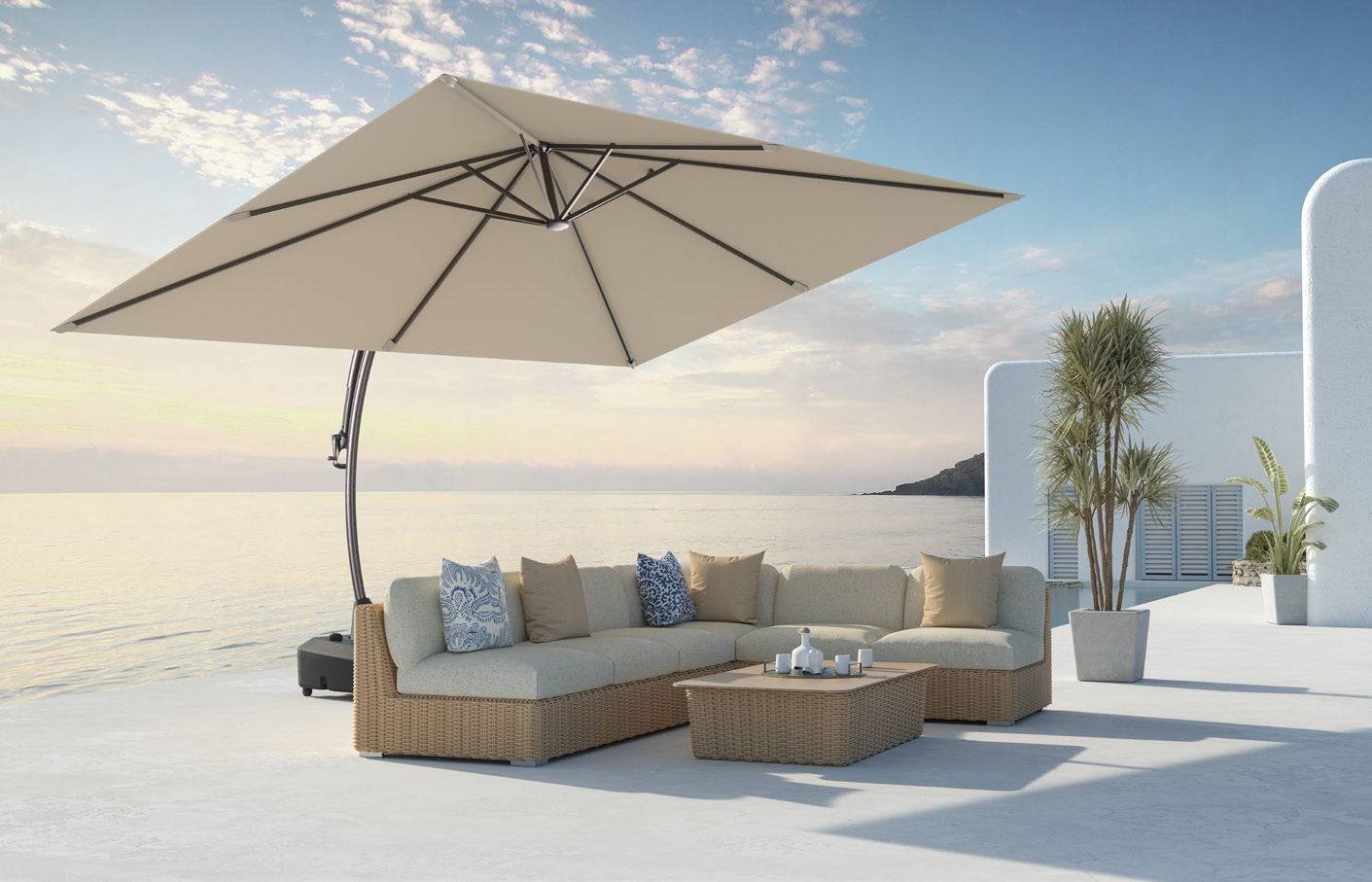
The outdoor furniture industry is central to enhancing people’s lives and well-being, with research showing that outdoor living can positively impact people’s health and well-being. However, manufacturing accessories such as pergolas and furniture for making outdoor spaces livable is associated with environmental degradation [5], [7], raising concerns about the industry’s sustainable development. Consequently, manufacturers are adopting eco-friendly practices to create environmentally conscious, yet aesthetically pleasing solutions to mitigate the climate and environmental impacts of the production and consumption of outdoor living products [8]. This commonly entails careful consideration of materials choice, fabricating processes, and waste management procedures. Some sustainable material choices may include recycled wood, bamboo, reused plastics, and eco-friendly materials, which offer advantages like reliability, low environmental impact, and aesthetic versatility[8]. From a business perspective, integrating sustainable practices into the development of outdoor products can have challenges and opportunities. Producing outdoor products with a sustainability mindset is associated with various long-term benefits such as improved brand reputation and expanded market share. The modern world is becoming more aware of the need to conserve the environment, resulting in a paradigm shift characterised by an increasing preference for eco-friendly products among modern consumers[9], [10]. Meeting the consumer demand for sustainable products can establish new market segments and cultivate client loyalty. Additionally, governments globally are increasingly requiring manufacturers to conform to administrative guidelines on material sourcing, usage, and disposal practices [11].
Sustainable approaches can meet the demands and requirements of the general public, increasing the chances of a conducive business environment due to general acceptance. Renewable energy installations like solar systems can lower the dependence on and consumption of conventional energy as well as reduce greenhouse gas emissions in existing metropolitan areas [12], [13],[14]. This can reduce the impurities in the environment leading to cleaner air and a lower environmental impact. Consequently, there is growing support and pressure among various stakeholders, including the general public for a creative approach to environmental sustainability through the use of renewable energy [15], [16]. This push is timely due to the growing need for environmental protection and conservation. Defying the public demand for sustainable products may lead to the loss of clients and profitability, forcing businesses to seriously rethink sustainability and ESG considerations to remain afloat.
Consumer buying decisions and preferences depend on multiple factors including awareness, perceptions and ability. Consequently, the growing environmental awareness has increased support for eco-friendly furniture and the demand thereof due to positive perception towards sustainable products [17]. There is a general negative attitude towards environmentally harmful products which skews consumers towards environmentally friendly outdoor products [18]. Additionally, prior interactions with eco-friendly products and consumer awareness of the environmental benefits have become major motivations for the purchase of such [19]. Contaminants associated with environmentally unfriendly development can increase the risk of public health problems, further emphasising the need for clean production and related sources of energy and safe end-of-life handling of products [20], [21], [22], [23]. Therefore, the longevity of the business in the modern world is intricately tied to the eco-friendliness and sustainability considerations in its operations. There is therefore an increasing need for businesses to join the movement and adopt sustainable practices to reduce the risk of reduced profitability. However, successful implementation requires careful consideration of variables such as item valuing, the buy-in of network executives, and advertising systems [8]. Identifying these challenges can help enhance sustainable development by facilitating the development of relevant and evidence-based mitigation strategies.
CHALLENGES FACING SUSTAINABILITY IN THE OUTDOOR FURNITURE INDUSTRY
Despite the multiple known advantages of ensuring sustainability, outdoor product makers experience various challenges. Acquiring eco-friendly materials for outdoor furniture production can be challenging because of limited accessibility, significant expenses, and concerns regarding material quality and execution. Likewise, adjusting fabricating cycles to integrate sustainable practices frequently requires critical innovation, frameworks, and worker preparation. Despite the growing awareness of sustainability, consumer demand for sustainable products might still follow traditional options due to socioeconomic and cultural factors, availability (or lack of) information, and perceived compromises in quality and style [11], [24]. A study [25] found that despite consumers' favourable attitudes towards products manufactured from recycled materials, many choose not to buy them because they believe the new conventional products to be superior and ‘pure’. Organisations advancing sustainable practices in outdoor living items may also experience difficulties in proper end-of-life handling and disposal of furniture [18]. Additionally, difficulties also arise in handling the risks associated with specific materials such as those used for solar panels, for instance, those with polycrystalline Si PV modules [20], [26].
The upfront costs for the purchase and installation of renewable energy sources may be significantly higher than conventional sources, which may attract consumers to unsustainable products like fossil fuels and wooden products [27]. Additionally, challenges related to technical details, complicated maintenance and operational tasks may also hinder the widespread adoption of sustainable outdoor solutions [21], [28]. For instance, in China, a main producer and customer of outdoor furnishings, technical difficulties are experienced during the integration of solar panels because of variables like restricted space for establishment [29]. These obstacles highlight the significance of continuous innovation to address the limitations to the use and dependability of eco-friendly outdoor products.
FORGING THE PATH FORWARD: LESSONS FROM LETRIGHT INDUSTRIAL CORP.
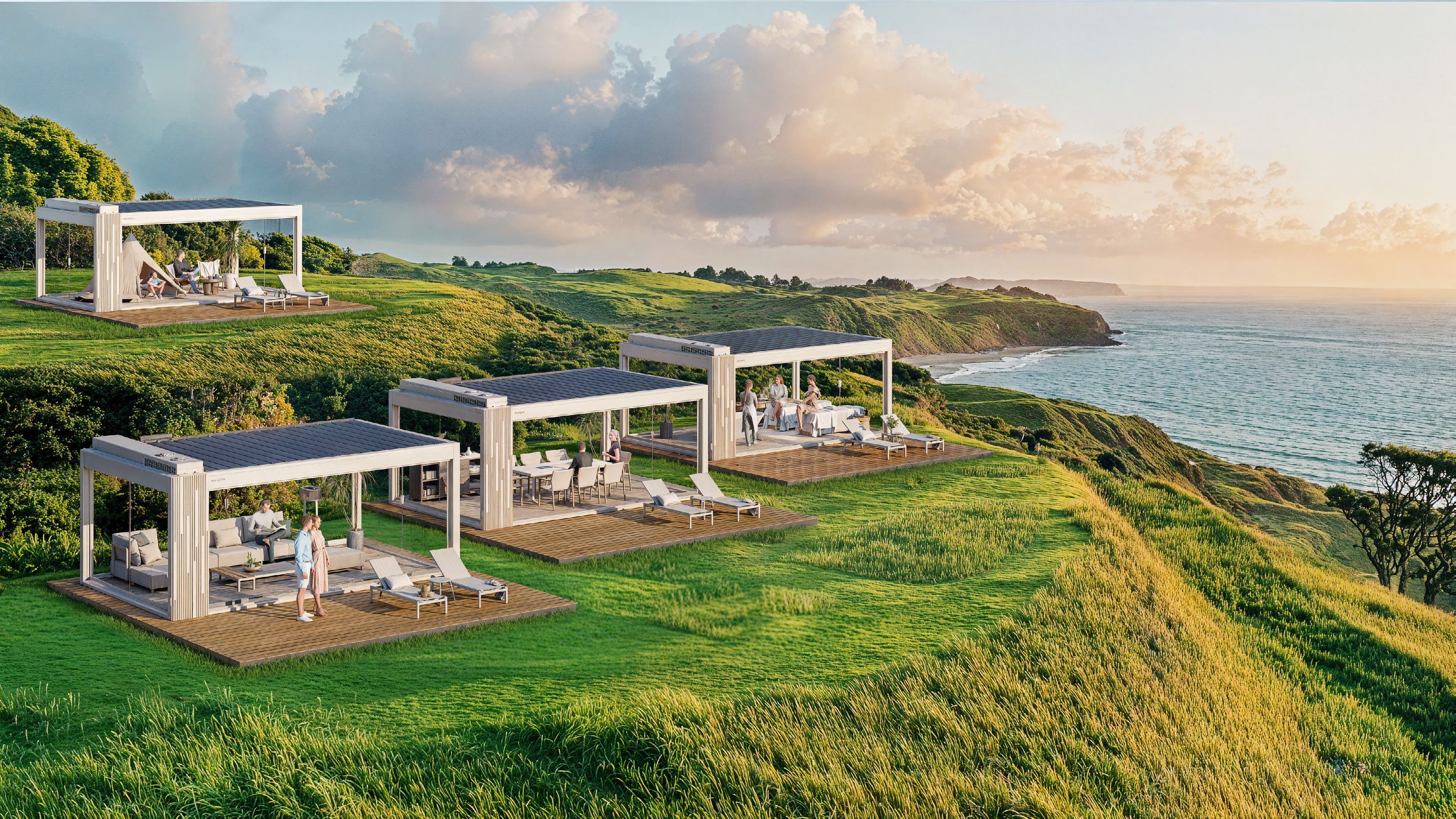
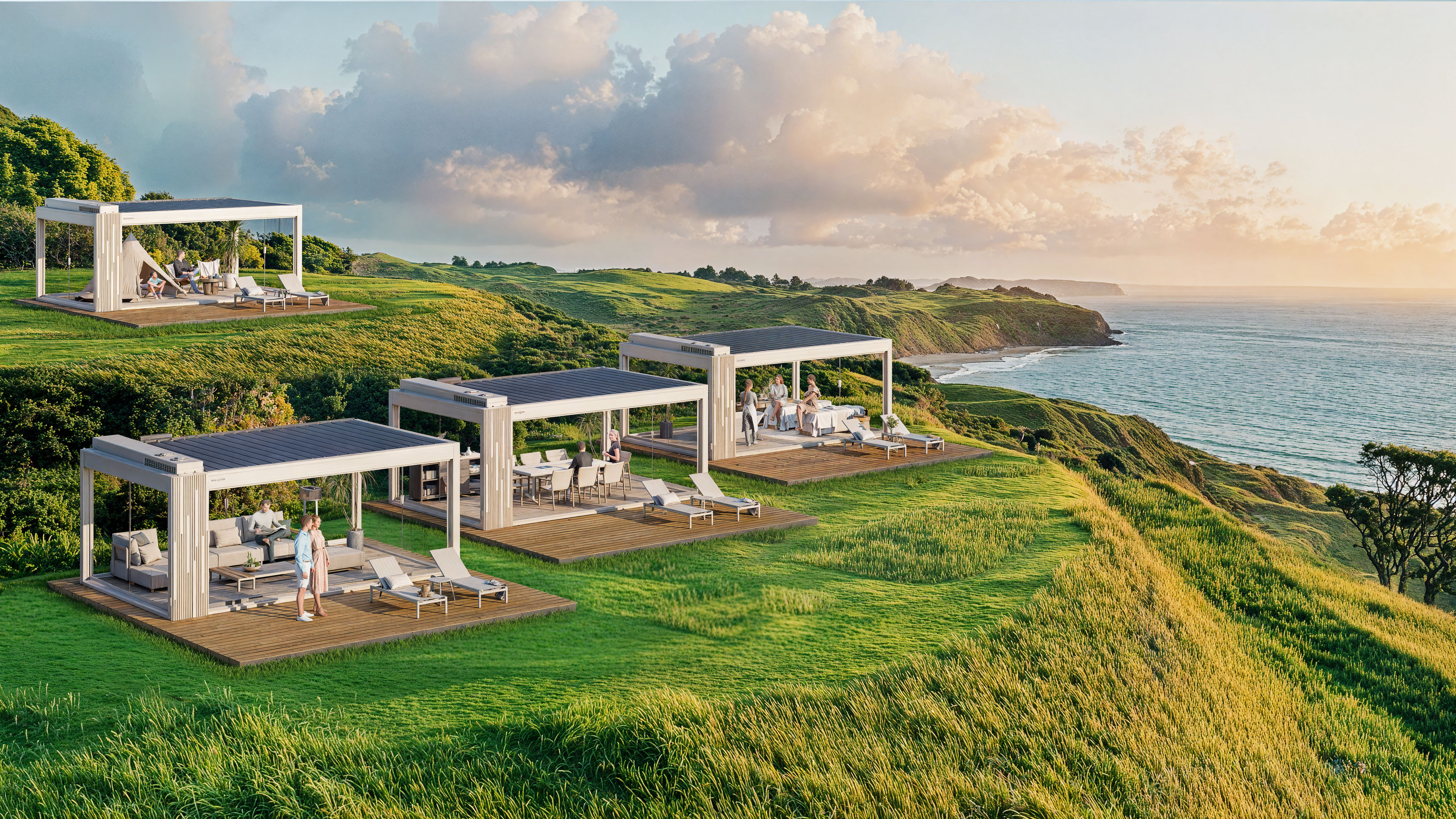
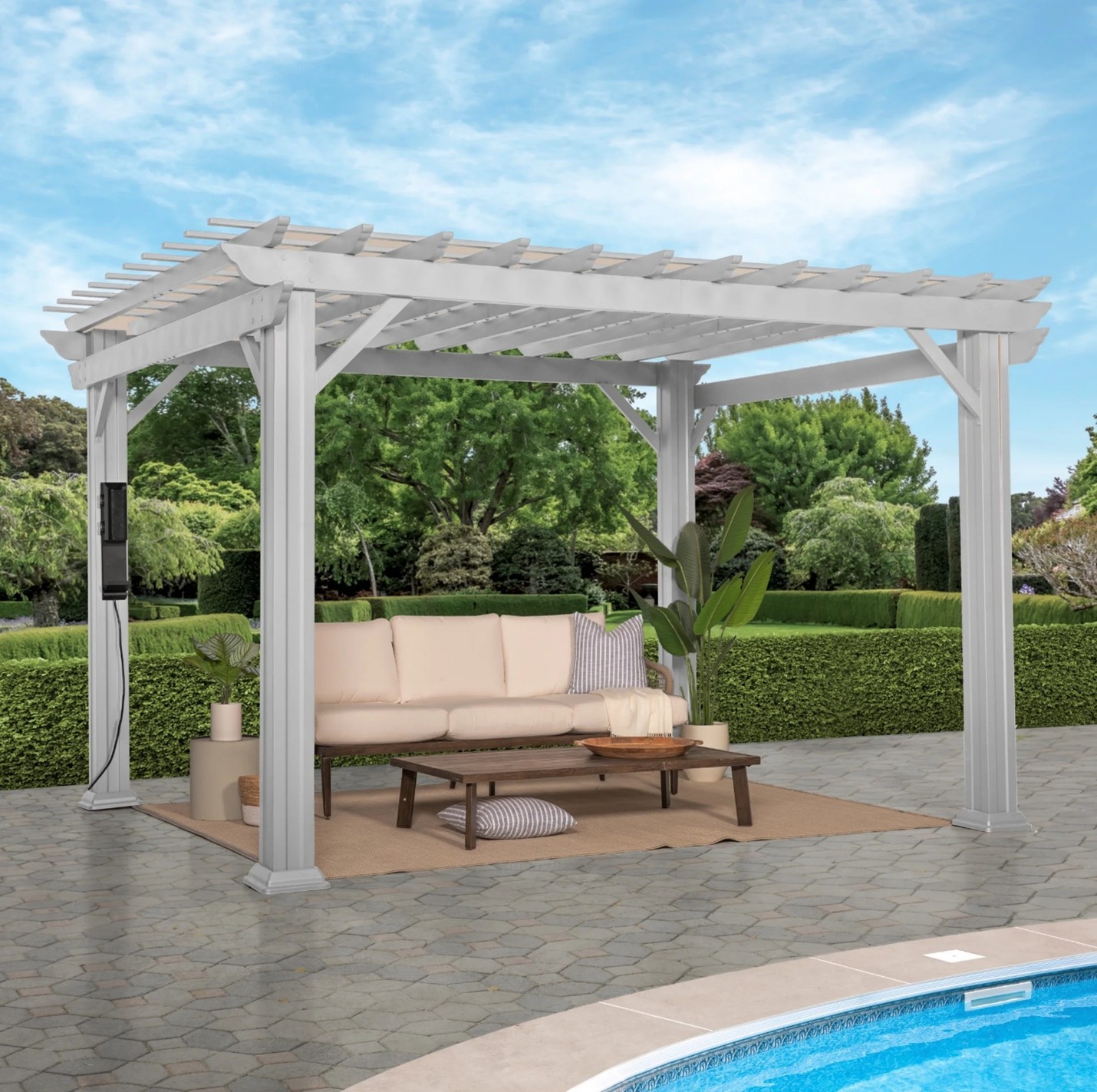
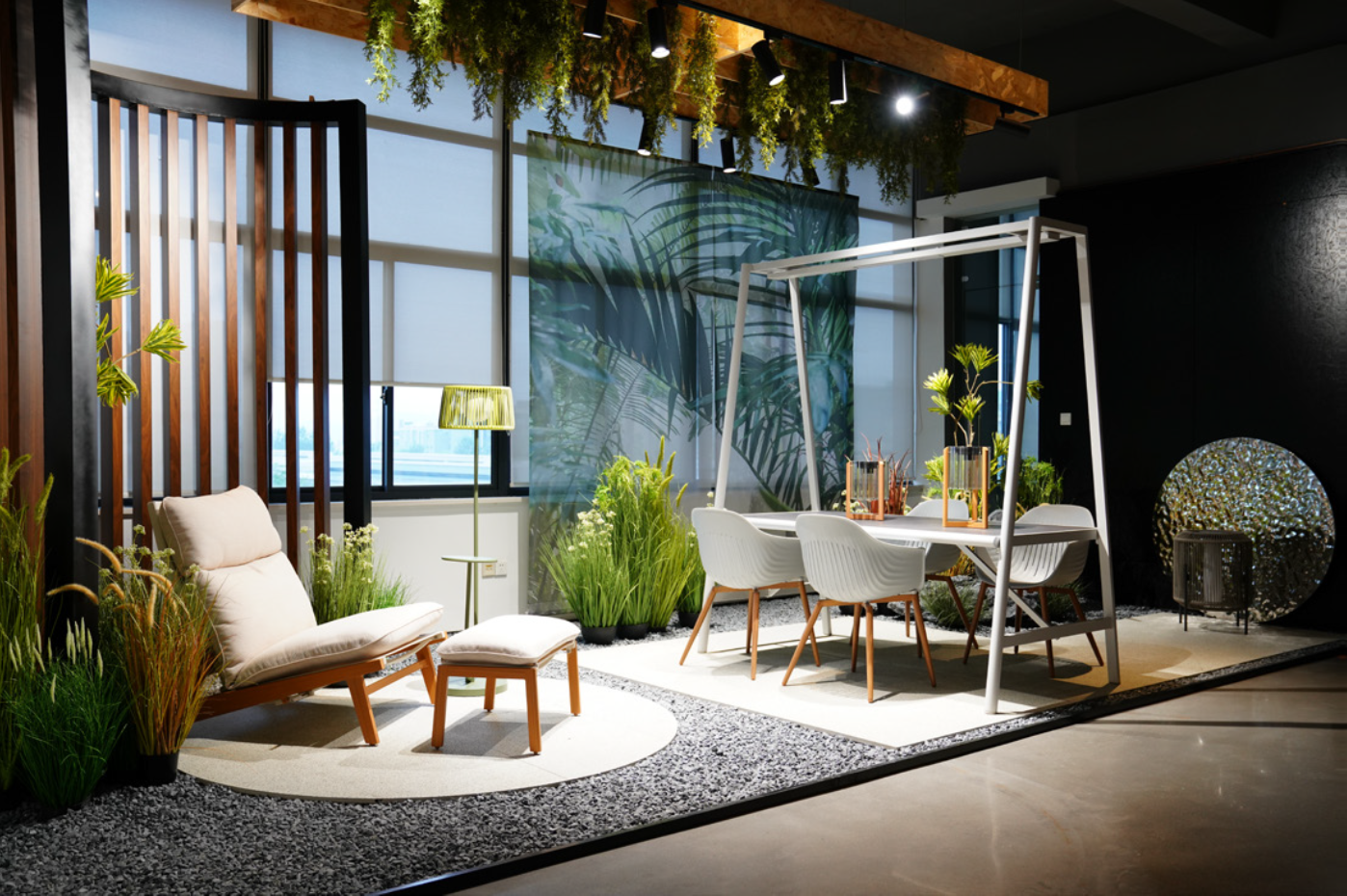
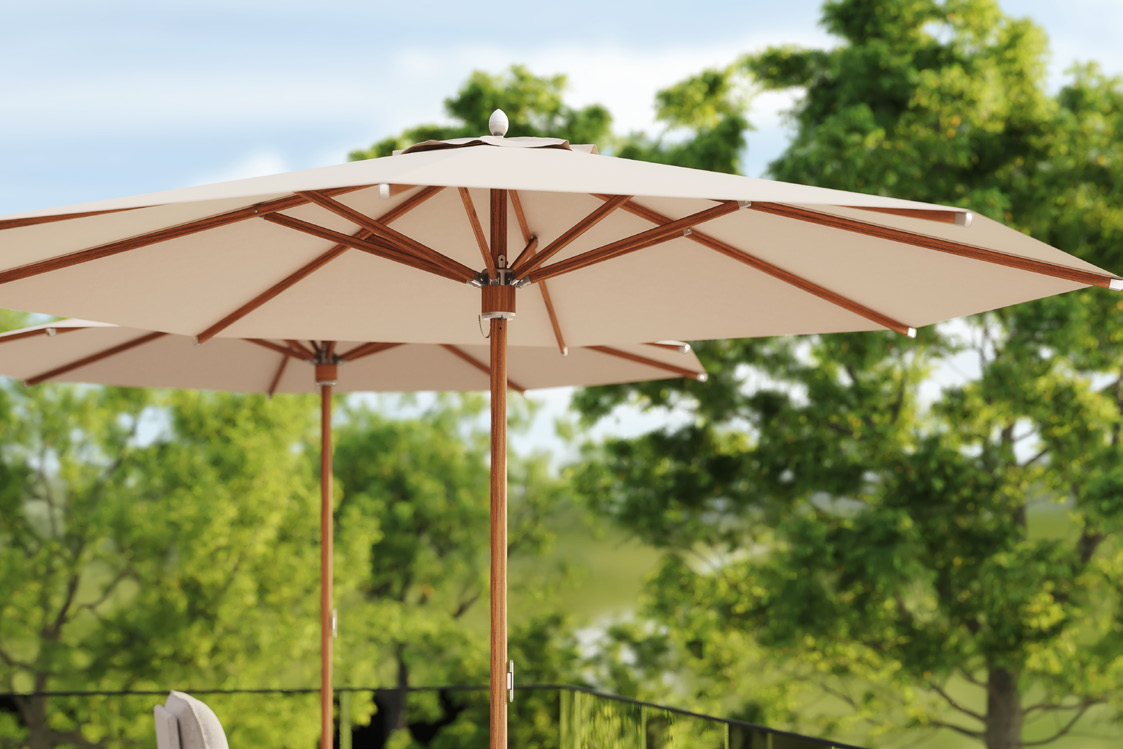
These findings highlight a dilemma where consumers and manufacturers must choose between right and convenience or a compromise thereof. Though it is clear that sustainable development is a necessary consideration in outdoor living spaces, it’s marred by various limitations. Businesses providing outdoor solutions have started incorporating sustainable practices into their daily activities and providing eco-friendly products. For instance, Letright Industrial Corp., a China-based company has demonstrated a significant commitment to providing aesthetic, durable, high-quality, yet sustainable and eco-friendly outdoor furniture. Founded in 1999 and headquartered in Hangzhou, Zhejiang, China, the company focuses on research and development, production, and sales of outdoor home furnishings. It provides outdoor products ranging from dining sets, swings, parasols, umbrellas, solar lights, tables, chairs, and other accessories for both local (Chinese) and international markets including North America and the UK. The company aims to be a leader in the global outdoor home industry and Letright is committed to sustainability, emphasising eco-friendly products. It offers important lessons on navigating challenges related to sustainability in manufacturing outdoor products. One of the key challenges is that manufacturers must consider their customers’ tastes and preferences, which may vary considerably. Consequently, businesses need to understand their clientele well to tailor the products to the clients’ needs. Understanding the customers’ needs can help businesses develop and customise eco-friendly products that meet their preferences, which reduces the risk of low purchases. For instance, through constant customer feedback, Letright was able to establish the needs of a local clientele and tailor a product to their desires. The company manufactures a state-of-art pergola, featuring air conditioning powered by solar-generated electricity.
However, given the variability of sunshine inthe local area (Hangzhou), some potential clients felt that the solar capability may not be worth the extra nvestment. By listening to the clients, the company managed to customise a pergola that serves both sustainability and the client’s interests. As such, customer feedback should be a key element in the development of eco-friendly and sustainable outdoor products to mitigate losses relating to low reception. Additionally, companies must consider increasingstakeholder awareness and engagement, in discourses about the importance of purchasing eco-friendly outdoor furniture. Individuals who are aware of the environmental benefits of eco-friendly products may increase the likelihood of purchasing and recommending such products. With a sustainable-aware clientele, manufacturers can employ several strategies to increase their products’ eco-friendliness. Selecting the right materials is a key consideration in implementing eco-friendly designs [30]. At Letright Industrial Corp. Ltd., materials take centre stage in their sustainability philosophy. They utilise recycled materials in their products, such as the Cloud Lounge Sofa, which is made from recycled shredded foam and other environmentally friendly materials. The company CEO also revealed in an interview that since 2001, they discontinued the use of unsustainable wood like teak for their products to minimise environmental damage, replacing it with aluminium and steel. These metals are considered sustainable due to their versatility, durability, resource efficiency, energy savings and high recycling potential. By adopting the use of these metals as its primary material for the frames for its different products, Letright sets the stage for sustainable products. However, the company may use fast-growing materials like bamboo for some of its products. It also started using wood-plastic composites (WPCs) recently in its continued commitment to sustainability. This reduces the need for virgin wood, discourages the excessive use of dangerous synthetic compounds such as PVC and reduces landfills while also recycling plastics, which helps conserve the environment. Although Letright cannot claim to pioneer this material, adopting it sets a good example for other industry players.
To foster sustainable products, there is a need for companies to adopt eco-friendly materials and move away from environmentally unfriendly ones like virgin wood, especially hardwood which takes decades to mature. Companies should encourage the use of fast-growing and easily recyclable wood materials such as bamboo [31]. Remanufacturing is also important as it helps restore discarded furniture pieces and extends their lifespan, reducing environmental degradation. In addition to using the right materials, companies alsoneed to consider clean energy sources China has been a key player in the revolution to create clean energy, which is a vital tool for reducing air pollution and lowering carbon emissions [32]However, solar energy inefficiency manifests as a key challenge in this industry. Due to their intermittent nature, renewable energy sources cannot directly deliver peak-load or base-load electricity that is continuous [33]. Thus, the development of energy storage technologies can help replace other energy sources by increasing power capacity and lowering costs and consumption of energy. One of the few energy storage technologies that can be used for high-power, long-duration applications at a reasonable cost is compressed air energy storage [34], [35]. To lower the PV industry's overall carbon footprint, manufacturers can primarily focus on carbon efficiency in module manufacture in China.
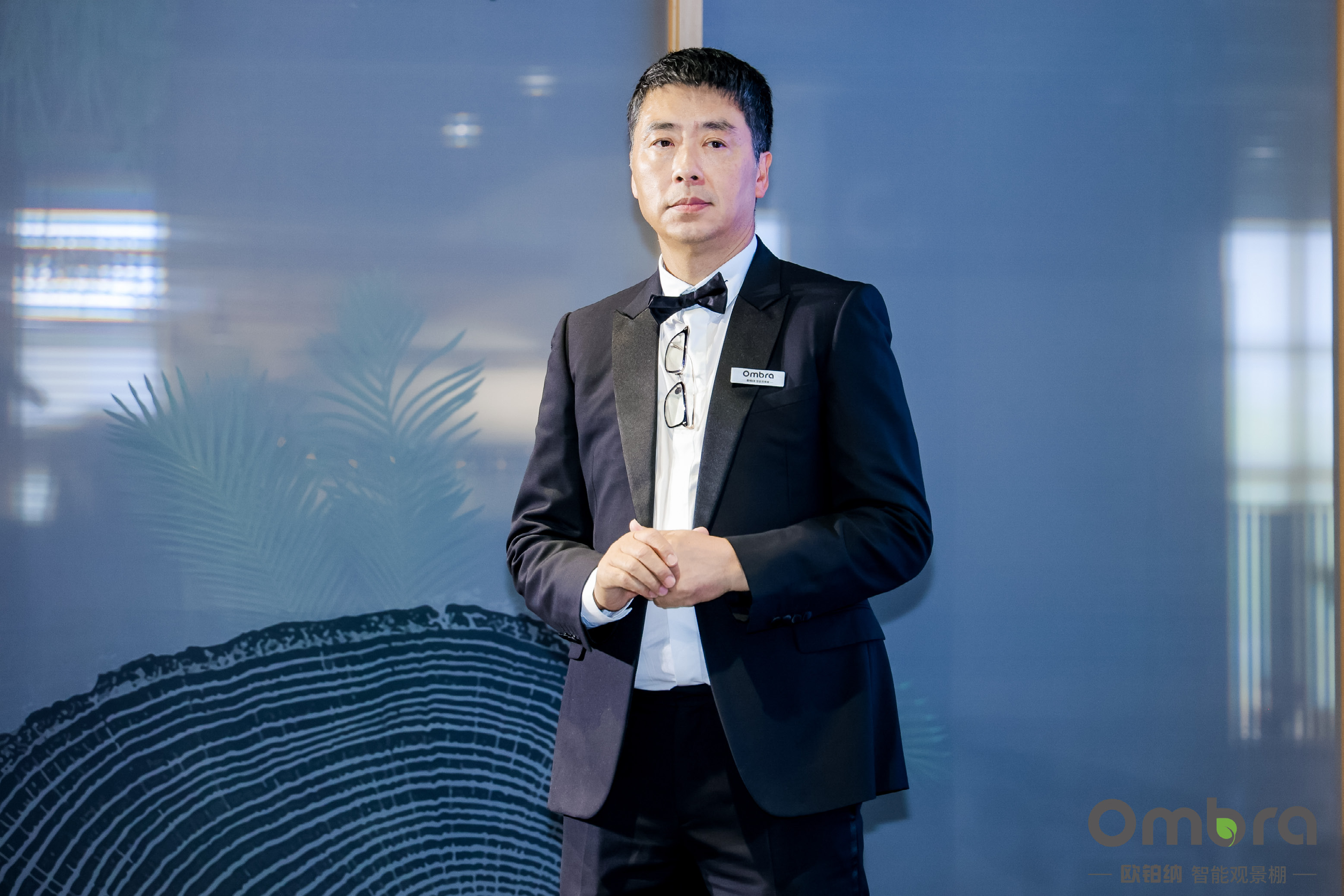
Currently, Letright uses Lithium batteries in its Ombra solar pergolas, which helps store the electricity generated during the sunshine hours for later use. Additionally, the company has invested in efficient technologies, enabling the solar louvres to generate up to 15 KW of electricity in a day. Despite the best efforts, the energy storage may sometimes not guarantee extended use, especially when heavy systems in the Ombra solar pergola are engaged. Nevertheless, the stored electricity can serve for some time, reducing reliance on the grid electricity. As such, companies should consider investing in efficient energy storage technology solutions to mitigate the problem related to the intermittency of solar power especially in cold seasons and at night times. Policing and law-making always have relevance in any development agenda. The sustainable development agenda was created by the United Nations due to the increasing impact of environmentally damaging practices. To date, legal frameworks still play key roles in ensuring regional alignment with the global goals of sustainable development. Consequently, governments must invest in civil education to continually create and increase awareness to both the public and manufacturers. Additionally, governments must always provide clear environmental protection guidelines to companies making outdoor products. Governments and lawmakers must avoid punitive regulations and instead rely on empirical evidence to make reasonable rules to protect the environment and ensure sustainability. On the other hand, manufacturers and customers must be prepared to adhere to reasonable guidelines and commit to ensuring sustainable development and consumption of outdoor furniture. As Ren Li, the founder and CEO of Letright once said, it is possible to make profits and protect Mother Nature at the same time. Likewise, it is also possible to enjoy the warmth of Mother Nature in the outdoor life while also protecting her. We can all produce and consume responsibly: Let’s embrace sustainability in the outdoor living spaces, Letright Industrial Corp, among other industry players, started its journey in sustainability and has not relented despite the many challenges. If we all join the likes of Letright, it will be possible to produce, make profits and enjoy Mother Nature while protecting her. Let’s all do something instead of nothing before it is too late, as sustainable development and consumption require collective efforts. Let’s all play our part.

External / References
[1] E. Grzegorzewska, M. Sedliačiková, andJ. Kalafús, “A comparison of the importance of the furniture manufacturing inEU countries using cluster analysis and Hellwig’s method,” Acta FacultatisXylologiae Zvolen, vol. 63, no. 1, pp. 151–164, 2021, doi: 10.17423/afx.2021.63.1.14.
[2] Global Market insights, “FurnitureMarket Trends 2021, Global Size Forecast 2027,” 2021.
[3] Global Market Insights, “OutdoorFurniture Market Trends, Industry Size Report 2021-2027,” 2021.
[4] K. Abbass, M. Z. Qasim, H. Song, M.Murshed, H. Mahmood, and I. Younis, “A review of the global climate changeimpacts, adaptation, and sustainable mitigation measures,” EnvironmentalScience and Pollution Research, vol. 29, no. 28. Springer Science and BusinessMedia Deutschland GmbH, pp. 42539–42559, Jun. 01, 2022. doi: 10.1007/s11356-022-19718-6.
[5] M. Coloma-Jiménez, O. Akizu-Gardoki, andE. Lizundia, “Beyond ecodesign, internationalized markets enhance the globalwarming potential in the wood furniture sector,” J Clean Prod, vol. 379, Dec.2022, doi: 10.1016/j.jclepro.2022.134795.
[6] M. Septiani, N. C. Putri, G. Verma, andN. A. Sasongko, “Eco-design practice towards sustainable furniture: A Review,”in IOP Conference Series: Earth and Environmental Science, Institute ofPhysics, 2022. doi: 10.1088/1755-1315/1108/1/012059.
[7] Watson’s, “Environmental and SocialImpact of Outdoor Furniture Choices,” 2023.
[8] X. Li, Y. Lin, and T. Zhu, “Applicationof Sustainable Development Theory in Furniture Industry Development—A CaseStudy of IKEA,” 2022, pp. 658–671. doi: 10.2991/978-2-494069-31-2_81.
[9] S. Durand-Hayes, M. Gooding, and B.Crane, “Voice of the Consumer Survey 2024: Shrinking the consumer trustdeficit,” 2024.
[10] B. J. Am, S. Noble, A. Malik, V. Doshi,and S. Frey, “Consumers care about sustainability-and back it up with theirwallets A joint study from McKinsey and NielsenIQ examines sales growth forproducts that claim to be environmentally and socially responsible,” 2023.Accessed: Jul.
03, 2024. [Online]. Available: https://www.mckinsey.com/industries/consumer-packaged-goods/our-insights/consumers-care-about-sustainability-and-back-it-up-with-their-wallets#/
[11] L. Al Darwish, “Green Furniture:Sustainability, Consumer Choice, and Market Analysis in an Evolving Landscape,”2023.
[12] G. Lobaccaro et al., “A cross-countryperspective on solar energy in urban planning: Lessons learned frominternational case studies,” Renewable and Sustainable Energy Reviews, vol.108, pp. 209–237, Jul. 2019, doi: 10.1016/j.rser.2019.03.041.
[13] B. S. Alotaibi et al., “IntegratingRenewable-Based Solar Energy into Sustainable and Resilient Urban FurnitureCoupled with a Logical Multi-Comparison Study of Cyprus and Saudi Arabia,”Processes, vol. 11, no. 10, Oct. 2023, doi: 10.3390/pr11102887.
[14] E. C. Larson and R. S. Krannich, “‘AGreat Idea, Just Not Near Me!’ Understanding Public Attitudes About RenewableEnergy Facilities,” Soc Nat Resour, vol. 29, no. 12, pp. 1436–1451, Dec. 2016,doi: 10.1080/08941920.2016.1150536.
[15] K. Ozgun, D. F. Cushing, and L. Buys,“Renewable energy distribution in public spaces: Analyzing the case of BallastPoint Park in Sydney, using a triple bottom line approach,” Journal ofLandscape Architecture, vol. 10, no. 2, pp. 18–31, May 2015, doi:10.1080/18626033.2015.1058562.
[16] M. Grabiec, A. Łacka, and W. Wiza,“Material, Functional, and Aesthetic Solutions for Urban Furniture in PublicSpaces,” Sustainability (Switzerland), vol. 14, no. 23, Dec. 2022, doi:10.3390/su142316211.
[17] D. M. Utama, N. Ardiyanti, and A. A.Putri, “A new hybid method for manufacturing sustainability performanceassessment: a case study in furniture industry,” Prod Manuf Res, vol. 10, no.1, pp. 760–783, 2022, doi: 10.1080/21693277.2022.2141366.
[18] M. Dahche and G. Kowaluk, “Selected Challenges of Closed-LoopEconomy in the Furniture Industry.” [Online]. Available:https://naszesmieci.mos.gov.pl/materialy/artykuly/144-jakie-odpady-do-recyklingu].
[19] X. Xu, Y. Hua, S. Wang, and G. Xu,“Determinants of consumer’s intention to purchase authentic green furniture,”Resour Conserv Recycl, vol. 156, May 2020, doi:10.1016/j.resconrec.2020.104721.
[20] W. D. Cyrs, H. J. Avens, Z. A. Capshaw,R. A. Kingsbury, J. Sahmel, and B. E. Tvermoes, “Landfill waste and recycling:Use of a screening-level risk assessment tool for end-of-life cadmium telluride(CdTe) thin-film photovoltaic (PV) panels,” Energy Policy, vol. 68, pp.524–533, 2014, doi: 10.1016/j.enpol.2014.01.025.
[21] M. Soomar, A. Hakeem, M. Messaoudi, P.Musznicki, A. Iqbal, and S. Czapp, “Solar Photovoltaic Energy Optimization andChallenges,” Frontiers in Energy Research, vol. 10. Frontiers Media S.A., May30, 2022. doi: 10.3389/fenrg.2022.879985.
[22] X. G. Zhao, G. Wan, and Y. Yang, “Theturning point of solar photovoltaic industry in China: Will it come?” Renewableand Sustainable Energy Reviews, vol. 41. Elsevier Ltd, pp. 178–188, 2015. doi:10.1016/j.rser.2014.08.045.
[23] K. Korniejenko, B. Kozub, A. Bąk, P.Balamurugan, M. Uthayakumar, and G. Furtos, “Tackling the circular economychallenges—composites recycling: Used tyres, wind turbine blades, and solarpanels,” Journal of Composites Science, vol. 5, no. 9. MDPI, Sep. 01, 2021.doi: 10.3390/JCS5090243.
[24] N. Nigar, “Factors Affecting ConsumerBehavior in Purchasing Home Furnishing Products in Bangladesh,” InternationalJournal of Advanced Engineering, Management and Science, vol. 7, no. 5, pp.26–37, 2021, doi: 10.22161/ijaems.75.4.
[25] Polyportis, R. Mugge, and L. Magnier,“Consumer acceptance of products made from recycled materials: A scopingreview,” Resources, Conservation and Recycling, vol. 186. Elsevier B.V., Nov.01, 2022. doi: 10.1016/j.resconrec.2022.106533.
[26] Y. Y. Bang, N. J. Hong, D. Sung Lee, andS. R. Lim, “Comparative assessment of solar photovoltaic panels based onmetal-derived hazardous waste, resource depletion, and toxicity potentials,”Int J Green Energy, vol. 15, no. 10, pp. 550–557, Aug. 2018, doi:10.1080/15435075.2018.1505618.
[27] L. Červený, R. Sloup, T. Červená, M.Riedl, and P. Palátová, “Industry 4.0 as an Opportunity and Challenge for theFurniture Industry—A Case Study,” Sustainability (Switzerland), vol. 14, no.20, Oct. 2022, doi: 10.3390/su142013325.
[28] J. P. Painuly and N. Wohlgemuth,“Renewable energy technologies: barriers and policy implications,” inRenewable-Energy-Driven Future: Technologies, Modelling, Applications,Sustainability and Policies, Elsevier Applied Science, 2020, pp. 539–562. doi:10.1016/B978-0-12-820539-6.00018-2.
[29] D. Morika and A. Ratum, “Review onoutdoor furniture in time of pandemic Covid-19: A case of Ir. H. Juanda Road,Bandung,” in IOP Conference Series: Earth and Environmental Science, IOPPublishing Ltd, Apr. 2021. doi: 10.1088/1755-1315/729/1/012030.
[30] P. S. Lins, A. Kiperstok, R. D. A.Cunha, Á. L. Q. R. E. S. Rapôso, E. A. D. Merino, and S. F. César, “(Re)layoutas a strategy for implementing cleaner production: Proposal for a furnitureindustry company,” Sustainability (Switzerland), vol. 13, no. 23, Dec. 2021,doi: 10.3390/su132313109.
[31] Susanty, B. Tjahjono, and R. E.Sulistyani, “An investigation into circular economy practices in thetraditional wooden furniture industry,” Production Planning and Control, vol.31, no. 16, pp. 1336–1348, Dec. 2020, doi: 10.1080/09537287.2019.1707322.
[32] J. Chen et al., “Preliminaryinvestigation on the feasibility of a clean CAES system coupled with wind andsolar energy in China,” Energy, vol. 127, pp. 462–478, 2017, doi:10.1016/j.energy.2017.03.088.
[33] L. Xu, S. Zhang, M. Yang, W. Li, and J.Xu, “Environmental effects of China’s solar photovoltaic industry during2011–2016: A life cycle assessment approach,” J Clean Prod, vol. 170, pp.310–329, Jan. 2018, doi: 10.1016/j.jclepro.2017.09.129.
[34] S. González-García et al., “Assessingthe global warming potential of wooden products from the furniture sector toimprove their eco-design,” Science of the Total Environment, vol. 410–411, pp.16–25, Dec. 2011, doi: 10.1016/j.scitotenv.2011.09.059.
M.An and X. Sun, “Carbon footprints of solar panels in China provinces based ondifferent production and waste treatment scenarios,” J Clean Prod, vol. 435,Jan. 2024, doi: 10.1016/j.jclepro.2023.140453.