Reimagining Outdoor Living: Letright's Ombra Smart pergola and Sustainable Luxury
Can luxury meet sustainability? Letright’s Ombra Smart Pergola tests whether eco-conscious design and premium outdoor living can succeed in global markets.




Abstract
The concept of sustainability has expanded from its environmental origins to encompass broader considerations across design, manufacturing, and consumption practices. Industries that rely heavily on natural resources, such as the outdoor living sector, face increasing pressure to reconcile growth with environmental responsibility. This case examines Letright Industrial Corp., a Chinese outdoor furniture manufacturer that transitioned from wood-based products to sustainable materials and technologies. The company’s flagship product, the Ombra Smart Pergola, integrates recyclable materials, solar energy systems, and smart technologies to deliver a luxury outdoor living solution while minimizing environmental impact. By combining sustainability with premium design and functionality, Ombra represents an emerging category of sustainable luxury within the outdoor products industry. Despite its innovative features and environmental credentials, the product faces strategic challenges related to market readiness, pricing, and global expansion. The case explores Letright’s sustainability-driven transformation, its supply chain management practices, and the strategic considerations involved in positioning a high-end sustainable product in diverse international markets. Ultimately, it raises critical questions about whether luxury and sustainability can coexist successfully and how companies can communicate value to consumers when introducing innovative, premium-priced sustainable products.
Copyright
Reimagining Outdoor Living: Letright's Solar Pergola and Sustainable Luxury
Published by the ACES Institute
Published on 15th November 2024
Serial Number: AI241115-CA106
Kuala Lumpur, Office Block #1-2, 48 Jalan Tun Mohd Fuad, TTDI, 60000 Malaysia
Copyright © 2024 ACES Institute. All rights reserved
Email: connect@acesinsittute.org
Website: www.acesinstitue.org
Key Findings
INTRODUCTION
The concept of ‘sustainability’, as recognised in contemporary societies, emerged in the late 20th century following the Rio de Janeiro 1992 United Nations Conference on Environment and Development [1]. Although the initiatives started in environmental movements, primarily focusing on reducing the consumption of natural resources, recycling, and repurposing waste materials, sustainability has expanded to encompass pre-design and pre-manufacturing stages [2]. This expansion of sustainability-related practices is associated with the increasing growth of industries and the resulting pressure on natural resources, leading to heightened environmental concerns [3], [4]. As such, industries, particularly those dependent on natural resources have been making conscious efforts to preserve the environment, hence the emergence of more comprehensive strategies towards sustainability. The outdoor living industry, one of the industries traditionally known and generally criticised for its heavy reliance on natural resources [5]. has gained significant importance in the sustainability discourse, especially due to its continued and continued growth, which is expected to endure due to rising demand for outdoor living products [6]. For instance, outdoor furniture, valued at approximately US$52.10 billion, is projected to grow by about 3.6% annually between 2024 and 2029 [7](see Figure 1). This growth presents sustainability concerns such as deforestation (see Figure 2), compounded by emerging trends like luxury outdoor products.

(Source: Salas, 2024)

(Source: Salas, 2024)
Companies like Letright Industrial Corp and The Luxury Pergola [8] have started incorporating luxury features in outdoor products, particularly pergolas, while simultaneously attempting to ensure sustainable qualities, effectively introducing sustainable luxury in outdoor living products. Sustainable luxury entails producing and consuming high-quality, luxurious products in a manner that minimises environmental and societal impact while considering future generations [9]. It represents a paradigm shift towards eco-friendly and ethically responsible practices in producing and consuming luxury products [10]. Although it is more popular within the fashion industry [11], [12], it has expanded to the outdoor industry as demonstrated by the emergence of luxury pergolas claimed to be sustainable. However, there remains a controversy surrounding the luxury industry due to its association with excessiveness and wastefulness, which often conflicts with sustainability ideals [13]. Are the manufacturers of sustainable luxury pergolas likely to address this controversy, and how? Additionally, since these products tend to cost a premium, is the world ready for luxury pergolas yet?
Despite the controversy between sustainability and luxury, some outdoor product makers believe that economic and environmental goals can co-exist. Based on this premise, they incorporate sustainable considerations in products featuring luxurious designs. Outdoor products like solar pergolas now feature materials considered durable and highly recyclable, both of which denote sustainability. More recently, pergola manufacturers have incorporated louvred roofs instead of the traditional slates [8], [14] and introduced additional features such as solar panels, LED lighting and partial or complete enclosures (walls), which provide additional protection from outdoor conditions and enhance the feel of luxury. An example of such a product is the Ombra Smart pergola, an ultra-modern solar pergola developed by Letright Industrial Corp. (an outdoor products company headquartered in Hangzhou, China) in 2023. Briefly known as Smart Solaryard in some non-China markets, the Ombra Smart pergola has sustainable materials and smart control features. It embodies the company’s philosophy of eco-consciousness, typically characterised by its non-reliance on non-sustainable materials such as wood and timber. Although Letright started by tapping into the then-booming wood furniture industry in 1999, its CEO, Mr Ren Li stopped the production of wood-based products barely two years later and switched to sustainable materials such as aluminium, steel and plastic-wood composite.
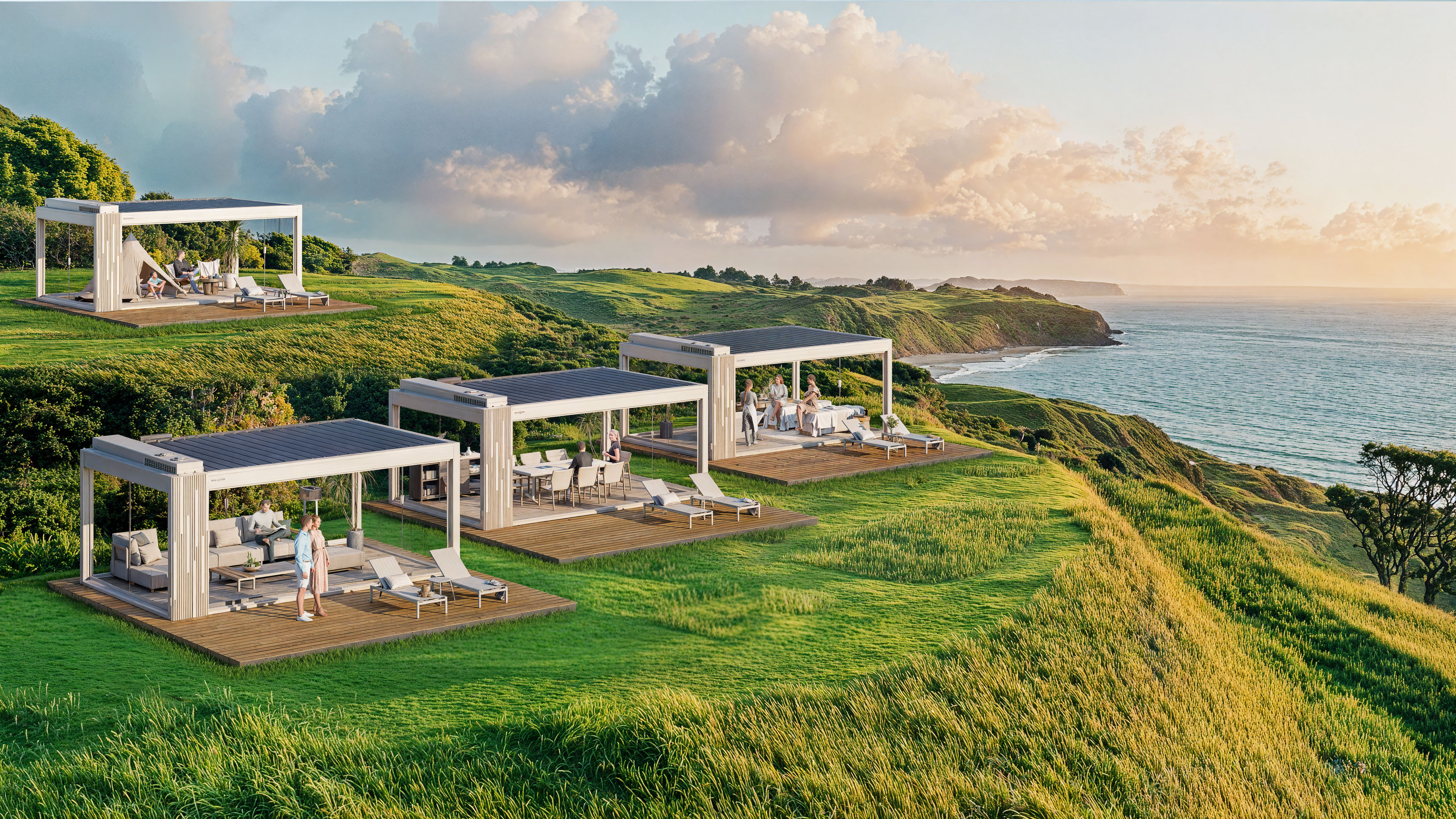
The Ombra thus features a fully enclosable structure with an aluminium-steel alloy frame, glass walls and smart controls among other features. It also has a smart control system that automatically regulates temperature and other operations. Despite these features making it a luxurious product, the company has faced significant challenges in their pricing strategy and market expansion potential. Although the company has attained remarkable success with its other product ranges, especially in the domestic market, the business prospects for the Ombra range in both local and international markets are still uncertain. Currently, the product has been marketed in some European and North American markets. Other regions, such as the Middle East and Sub-Saharan Africa, have been targeted for the next market entries. While the CEO is confident that the product will be well received worldwide, he is keen to explore how to orchestrate strategic moves to navigate the specific challenges in different international market contexts.
LETRIGHT INDUSTRIAL CORP: AN OUTDOOR LIVING SOLUTION PROVIDER
Letright Industrial Corp. is a Chinese company specialising in outdoor furniture and structures. It offers a wide range of products, including outdoor furniture, solar lights, beach products, dining sets, parasols, and pergolas. Its birth was influenced by the growth of the outdoor furniture industry in China and globally in the late 20th century. This company was founded in 1999 by Ren Li, an outdoor enthusiast who capitalised on the then-increasing market share of outdoor products markets. In addition to the growing demand for wooden furniture in China, the country joined the World Trade Organisation (WTO) in 2001, opening the country up to internationalisation and increasing demand for products. During this period, the furniture industry was dominated by wooden products [15]. Expectedly, Letright initially thrived in the outdoor furniture market, heavily reliant on wood—a material popularised for its aesthetic appeal but also associated with increased environmental degradation.
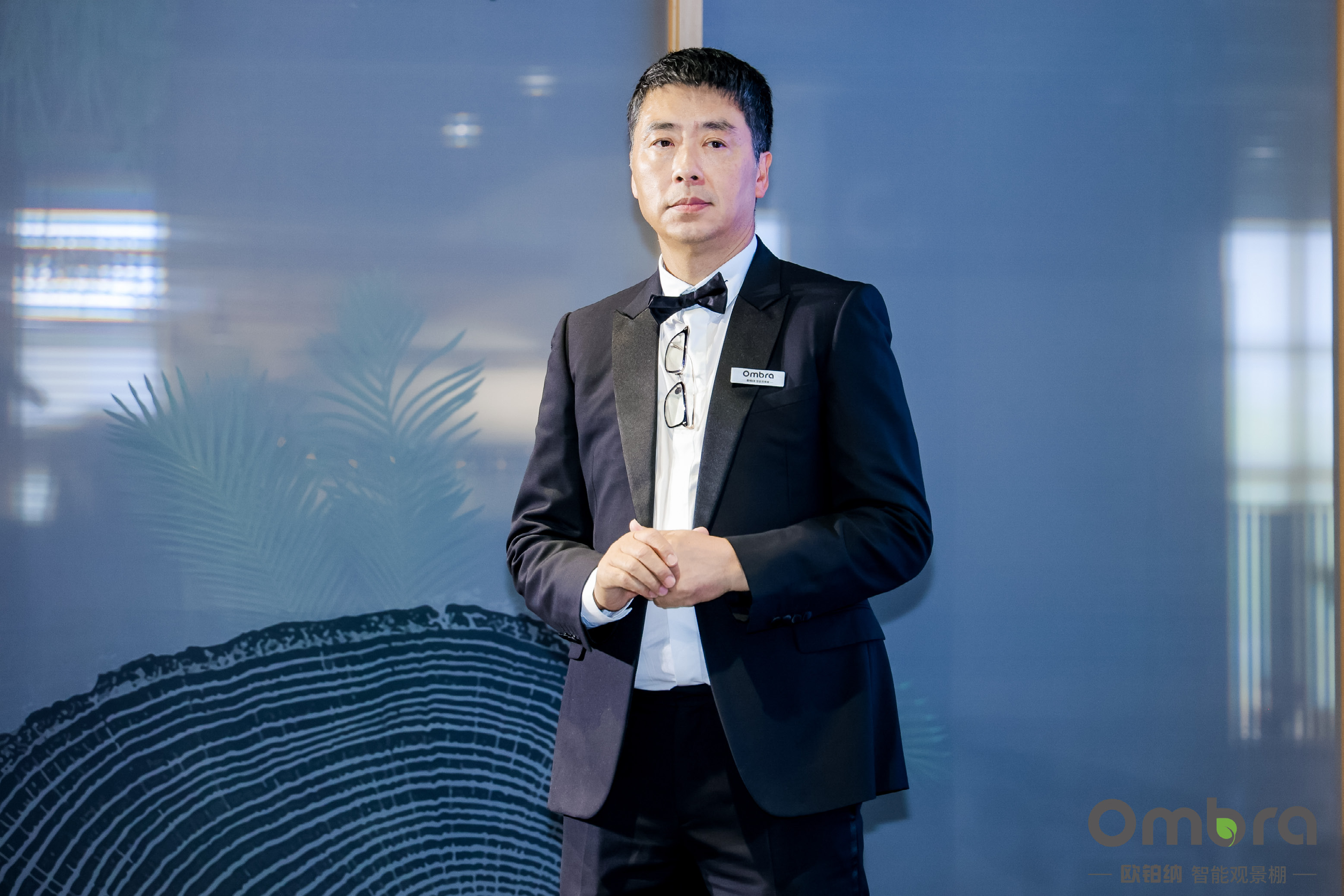
However, two years after its establishment, Ren Li witnessed the significant environmental impact of deforestation caused by his wooden furniture business. This made him feel guilty and created an urge to take more mindful actions to reduce environmental degradation. It sparked an internal battle as he grappled with the demands of maintaining a competitive and profitable business in a booming market versus his sense of responsibility toward environmental responsibility. After some reflection, he initiated a major change at Letright by instructing his staff to no longer use wood or timber in their production, opting instead for more sustainable materials. In an interview, Ren Li stated that
I ordered my factory …don't use any timber, don't use anything which will pollute the environment like PVC...I said no PVC, cadmium, or cutting of the trees. We will do as much as possible to be recyclable because if something is recyclable… So, we stopped the purchasing department from buying any wood… We stopped our sales company from trying to sell any wooden products.
In an industry that was deeply rooted and thriving in wood furniture production, this decision was very unpopular. There was internal opposition from investors and other stakeholders who considered the decision misguided, as well as potential loss of revenue due to clients departing to seek wooden alternatives elsewhere. At the time, legal frameworks regarding environmental protection, especially in China, were still shaky and sustainable products were still not widely accepted as wood was still the most preferred material. Nevertheless, Ren was determined to align his business with his principles and stood steadfast in his decision to run an eco-conscious business despite the risks. He restructured Letright to integrate a dedicated Research and Development (R&D) wing that reports directly to the (his) CEO’s office, the board, and other key shareholders. The R&D focuses on innovative materials and technologies that could replicate the aesthetic qualities of wood without negative environmental impacts. One of the breakthroughs from these R&D initiatives was the heat transfer technology, which allowed Letright to produce outdoor furniture with the look and feel of wood while using sustainable materials like aluminium and reusable ocean waste.
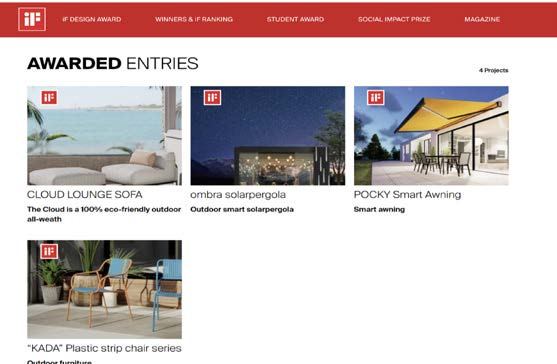
While challenging at first, prioritising sustainability eventually led to product innovations that embody commitment of responsible practices while meeting evolving customer expectations. Today, Letright has grown to become one of the few manufacturers of smart solar pergolas in the world. Its journey of dedication to eco-friendly practices and innovation culminated in the creation of Ombra, a smart solar pergola first created in 2023 and officially launched in April 2024. Ombra's integration of solar technology with sleek design addressed customers' aesthetic needs and aligned with the global push toward renewable energy and sustainable living. Letright's journey from a crossroad to innovation is reflected in the company's growth, with over 4,400 patents [16] and global recognition, including the prestigious iF Design Award for 2020-2024 [17] (see Figure 3). Ren Li's early struggles and the promise of eventual triumph (as indicated by Ombra’s initial favourable outcome) underscore the company's name philosophy: to "do things right and do the right things", ensuring that business is built on environmental responsibility. The Ombra solar pergola was founded on this principle and years of research to provide a prestigious product that ensures an improved outdoor lifestyle. Letright’s CEO (Ren) strongly believes in the potential success of the product and thinks of its availability in other foreign markets. Considering it is a relatively new entrant, do the current market dynamics favour its initial success?
LETRIGHT’S SMART SOLAR PERGOLA: BRINGING SUSTAINABLE LUXURY TO OUTDOOR LIVING
Originally, pergolas were more basic structures, mostly just wooden covers providing shade, a concept that dates back to Ancient Egypt, around 1400 B.C. [18]. Ancient Rome also embraced pergolas, incorporating them into their lavish gardens and courtyards, often made from stone and adorned with grape vines, providing shade and enhancing the aesthetic of outdoor spaces [18]. However, incorporating the Centennial Hall in Wroclaw as a World Heritage site sparked the modernisation of pergolas in the 21st century [19] (see Figures 4-8 for illustrations).
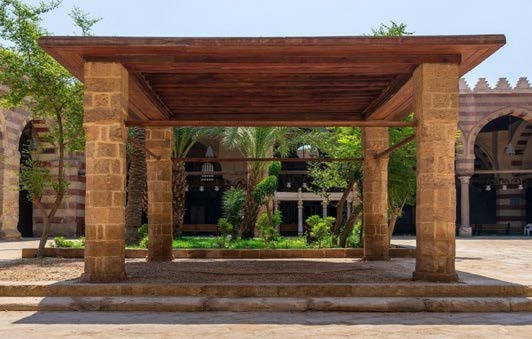
Figure 4-Ancient Egyptian Pergola
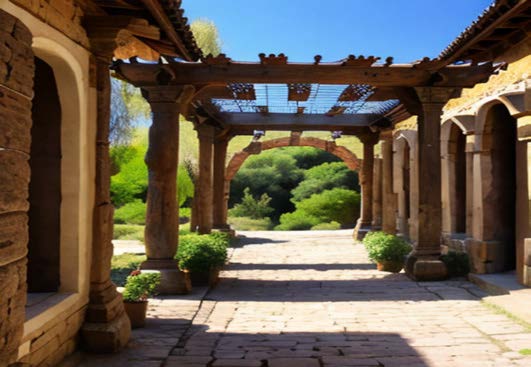
Figure 5-A tradition pergola from ancient Rome


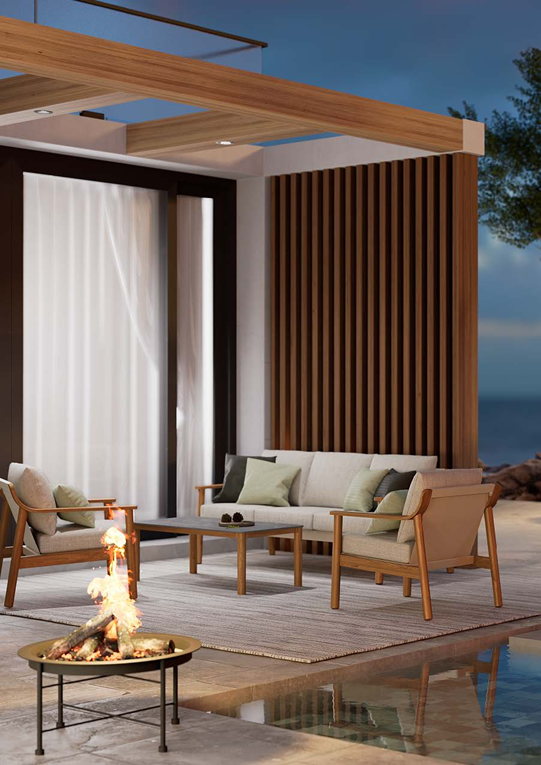
Figure 7-A modern pergola with lighting fixtures

Following continuous research and innovation, modern pergolas now incorporate advanced materials and technologies, transforming them into multifunctional structures that offer a range of outdoor living needs, from shading and ambience to integrating with smart home systems. For example, contemporary pergolas have additional functionalities that include louvred roofs, electricity supply, and structural sophistication that goes beyond traditional wooden components. Outdoor structures, particularly those that offer shelter while allowing individuals to enjoy the outdoors, have become increasingly important due to their growing demand [22], [23]. Assuming the traditional production of pergolas was something to go by, the growing demand for outdoor living spaces [23], would put significant pressure on the environment due to increased production. The growing demand and the environmental consequences of wood usage highlight the need for a broader discussion on sustainable practices within the industry. How can pergola makers meet this increasing demand while ensuring minimal negative environmental impact?
“A journey of a thousand miles begins with a single step”.
Lao Tzu, Chinese Philosopher
In this era of growing demand for outdoor living products and increased awareness and acceptance of sustainable products, Letright aimed to seize the opportunity and create a product that fills the gap. The Ombra, an ultramodern solar pergola first created in 2023, attempts to integrate the elements of luxury in outdoor living structures while maintaining the CEO’s passion for sustainability and environmental protection in outdoor living. Letright takes pride in the environmental consideration approach in its design, as Meo, the Design Director, reveals: "Environmental protection has been our core focus for the past decade, and our understanding of it has evolved. We closely follow these changes and strive to incorporate them into our designs." Rather than incorporating sustainability practices post-production or as an afterthought, Letright integrates these considerations in the inception and design phase, embodying the concept of sustainable design. Moreover, Ombra is marketed as a luxury product that targets the affluent through its functional, emotional (prestige) and environmental values.
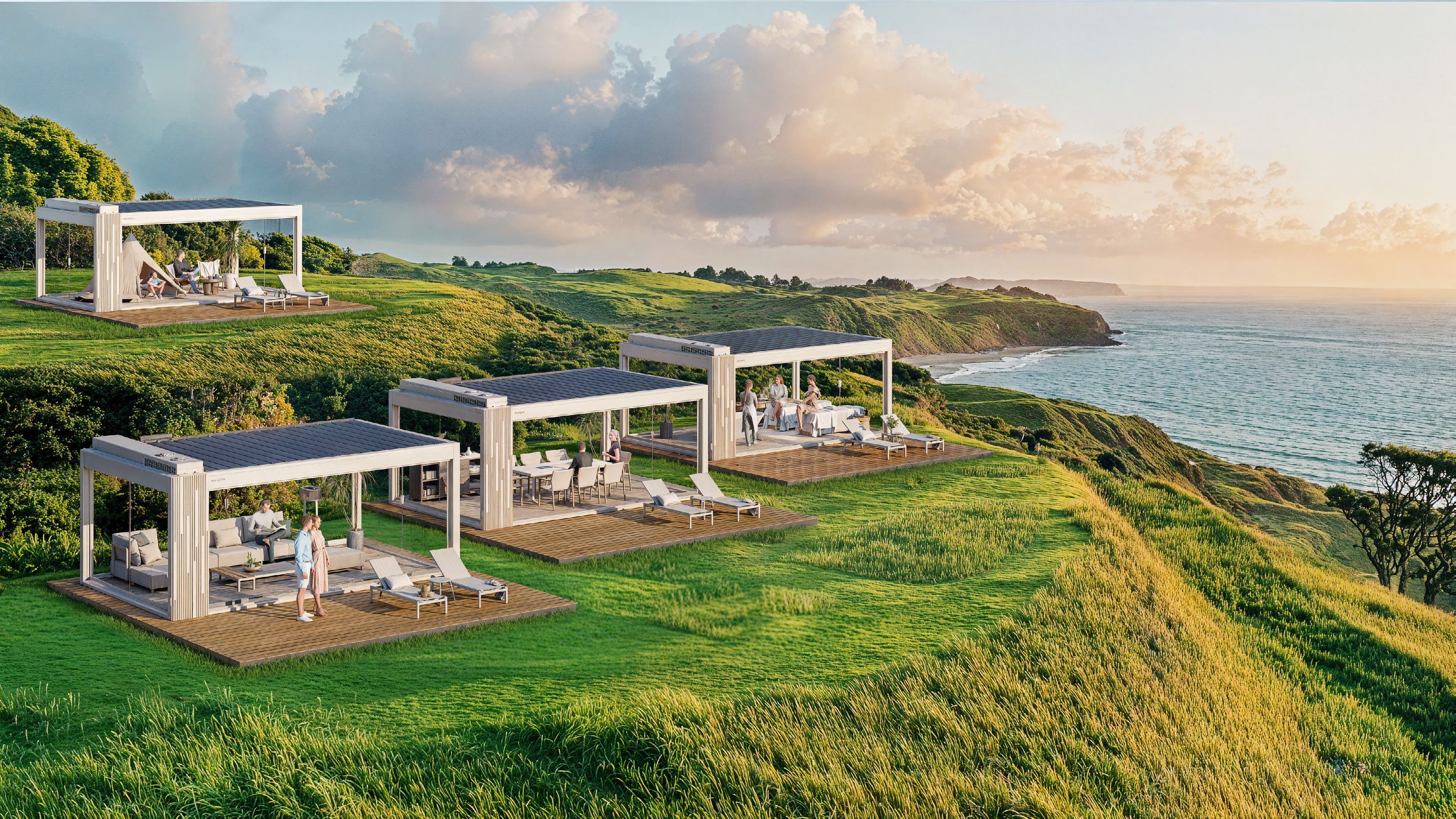
As a major, upcoming player in sustainable luxury pergolas, Ombra’s design reflects thought leadership combining comfort, prestige, aesthetics, and eco-consciousness. The name "Ombra" is derived from the Italian word for “shadow” or “shade” [24], symbolising the product's ability to provide shelter from varying weather conditions while promoting sustainable outdoor living. It combines technology and aesthetics to create an all-weather outdoor life, providing users with a comfortable modular independent space for living, working, leisure, and entertainment. It is crafted to ensure serenity, ultimate comfort, weatherproofing, temperature control, and an immersive yet protected outdoor experience. Combining recyclable aluminium fittings and glass walls, solar panels for green energy, smart home systems, temperature control, and lighting, Ombra offers a luxurious and aesthetically appealing outdoor experience that minimises environmental impact. Letright's design approach is based on research showing that the development of outdoor spaces is part of a larger transition toward sustainable communities with a more flexible work-life, including health and wellbeing-promoting practices [25]. Unprecedented weather changes limit human's ability to enjoy the serenity of the outdoors, which is why Ombra came to solve this problem and serve as a status symbol to its uptown clientele. Nevertheless, a pertinent question remains unanswered: Does an eco-conscious approach to outdoor furniture design ensure the product's market success?
Inspired and motivated by Ren Li’s love for outdoor lifestyle and a passion for environmental protection and powered by a strong R&D team, the company incorporates eco-friendly materials and green energy to promote sustainable luxury in outdoor living, prioritising luxury and pleasure for high-end clients. The purchasing director highlights the company's focus on luxurious outdoor experiences, stating that: "...from the company's perspective, we focus on outdoor furniture, promoting a leisurely lifestyle initiated by the company's founder.” One client who uses it for customers who want to sit outdoors at his restaurant stated “I needed something like this, but I was always concerned about the price...[however], judging by the final usage, it's indeed been very popular... guests at this table have always wanted to sit here.” He added that “the last time I met a customer, he looked around and then said to me, ‘the craftsmanship of this observation pergola is quite exquisite’".
In addition, it incorporates solar energy generation and storage for use when there is no sunlight. Instead of the conventional fixed solar panels, this product uses several small solar panels fitted into the rotating louvres. This maximises the ability to generate energy across a longer duration of the day since the rotating louvres can track the sun’s rays. This innovation maintains the aesthetic appeal of traditional pergolas and introduces energy efficiency by harnessing solar power. The energy generated can be used to power ambient lighting, air conditioning, and other devices or even integrate with the home's electrical system, reducing reliance on the grid and thereby saving energy costs. Ren Li describes it as “a good item in terms of conventional outdoor living because [which] you can block the sunshine from whatever angle and direction.” The solar louvres are paired with lithium batteries that store any excess energy generated during the day, allowing consumers to use the pergola at night without the need to connect it to the grid. However, there is a version that does not come with the solar generation capacity but has a provision for connecting it to the grid. Does this arrangement contradict the eco-friendliness purpose of Ombra?
To create an all-rounded product that meets the client’s aesthetic and functional needs as well as adheres to international standards for sustainable or green products, Letright uses materials that meet specific criteria. These materials are carefully selected to enhance Ombra’s structural integrity, longevity, elegance, and reduced environmental impact. It features a frame made of aluminium-steel alloy and coated with a special tiger plastic powder. The alloy ensures it is strong yet lightweight, making it withstand considerable weight without breaking. Additionally, the alloy is highlight durable and projected to last for at least 20 years. The surface coating is also made of highly durable plastic powder which enhances both the Ombra’s beauty and insulation properties. It mimics the wooden appearance of traditional pergolas, increasing its appeal to wood-loving clientele. The Ombra also features mortised transparent glass walls which slide open or shut as the user intends. This feature enhances user experience while maintaining environmental friendliness, since glass is a material considered sustainable due to its high recycling potential [26]. The transparent glass walls also facilitate a clear view of the natural surroundings, enhancing user experience.
It also has a roof made of rotating louvres which carry solar panels for green energy generation and can open or shut down according to the prevailing weather conditions or user preferences. It also has motor-controlled blinds for additional environmental protection protecting the user from harsh environmental conditions such as UV radiation and other unfavourable weather conditions. The blinds can also be fully closed for enhanced privacy if need be. Finally, the Ombra feature a state-of-the-art sensing system which automatically detects weather conditions and deploys any of its automated mechanisms as needed, such as shutting the louvres or the glass walls, deploying a humidifier or switching on the air conditioning system. These features make Ombra an environmental- and user-friendly product. The key features of Ombra are summarized in Table 1 and shown in Figures 9-11
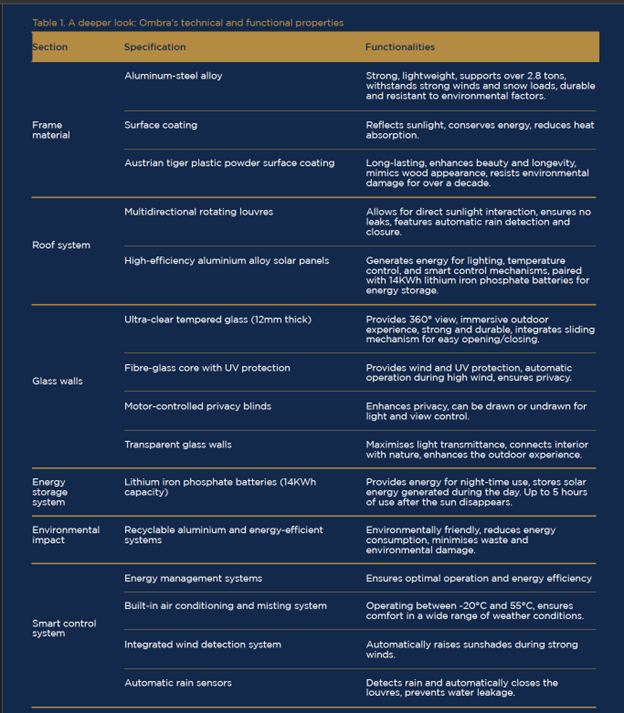
Source: Ombra Smart Pergola (2024)


To source these materials in accordance with the company principles, Letright follows some laid down strategies to select and collaborate with trustworthy suppliers. For instance, their suppliers must possess certain certifications that show conformity to environmental requirements, such as the GRS. Parson, the Director of the Purchasing Department, explained that “during supplier admission, we require them to meet environmental requirements, such as basic wastewater treatment”. Furthermore, the Director of the Design Department revealed that in creating the air conditioning system, they “co-developed it with suppliers and registered relevant patents.” Such strategies helped Letright build a sustainable supply chain system.
ENSURING SUSTAINABLE SUPPLIER PRACTICES
The quality and characteristics of the final product significantly depend on the materials chosen during design and used during production. Ethical sourcing is critical in securing materials and products from suppliers who align with an organization's sustainable goals and objectives and employ a holistic approach, ensuring that it considers the environmental and social responsibilities of its supply chain strategies and activities [28]. Such practices go beyond Corporate Social Responsibility (CSR) to ensure adherence to the formal channels of accountability imposed by local government, the wider industry, and international standards. Letright's procurement process involves a comprehensive supplier management system that includes initial audits, continuous performance evaluations, and regular follow-up assessments. This system is crucial in maintaining the integrity and sustainability of the supply chain [29]. The supplier audit process involves inter-departmental collaboration to facilitate the effective selection of the most suitable suppliers, which involves production, research and development, and financial departments in conducting internal evaluations of factory manufacturing capabilities, quality control capabilities, processes, and environmental facilities. Jay, the Director of Planning, Warehousing and Transport revealed the following:
We mainly rely on suppliers and service providers, such as Ningbo Port, which has a comprehensive internal monitoring system. Our company also has a system that records the routes and logistics data departing from each location annually. With this data, we can account for energy consumption and evaluate its impact on sustainability goals. These data are also detailed in cost settlement, providing us with accurate environmental performance assessments
This multi-dimensional evaluation ensures that suppliers meet Letright's internal standards and comply with the environmental and social responsibility requirements expected by European and American markets, as Meo, the Director of Purchasing stated: “currently, we have obtained GRS certification. Three factories, including suppliers related to our product, are GRS-certified." Letright uses public bidding processes and centralized bidding systems to ensure fair competition among suppliers, with sustainability and compliance being critical evaluation criteria. These evaluations cover aspects such as product quality, timeliness of deliveries, and adherence to environmental standards. This rigorous oversight ensures that the supply chain remains transparent and that the materials used in their products, like the solar pergola, continue to meet the company's sustainability goals.
Furthermore, the company conducts performance reviews to determine whether to continue, reduce, or terminate relationships with suppliers, and as pointed out by Parson (the Director of the Purchasing Department), they "conduct annual performance evaluations [to] have clear seasonal delivery cycles. At the end of each season, we evaluate supplier performance." By ensuring all suppliers meet stringent environmental and quality standards, Letright can confidently produce eco-friendly products like the Ombra Solar Pergola, aligning with their vision of sustainable outdoor living. Despite all these production-based initiatives, the company still needs to ensure that its products could meet customer expectations and preferences. Although the company seems to be committed to ensuring sustainable practices, it must also balance it with profitability since that is the only way it can ensure its business sustainability or longevity as a venture. A business or product’s profitability depends largely on its market acceptance and the corresponding sales, which begs the question: is the world ready for the Ombra, considering its sophistry and market price?

MARKET READINESS AND ACCEPTANCE: LETRIGHT’S STRATEGIC OPTIONS
Previous studies have shown an increasing demand for outdoor space and the willingness to pay more due to various factors, such as outdoor thermal comfort, spatial comfort, and accessibility (Bowman & Thompson, 2009). Designed to bridge the gap between the human desire to spend time outdoors and the constraints imposed by adverse weather conditions [30], Ombra offers a unique blend of functionality, sustainability, and luxury. However, while Ombra's design may address a clear need, an important question remains: Is the world ready for this product? The discussion surrounding the market readiness for Ombra requires a critical evaluation of its product positioning, consumer attitudes and preferences, and the broader industry trends shaping the outdoor living industry. Besides the motivation to expand its global footprint, Letright, through Ombra, could address domestic circumstances that would drive such scalability. For instance, urban and residential areas in China feature high-density and high-rise developments with limited outdoor space. In big cities where plot ratios exceed 2.0 than that of residential areas, outdoor space is under significant pressure compared to rural regions [31]. In their study focusing on Nanjing, Wuxi, and Hangzhou (where Letright’s headquarters are located), Yang et al. [31] reported common complaints from residents, such as the lack of rest areas for adults, scarcity of green spaces, and insufficient sunshades or rain shelters. Grace, a lawyer in Shanghai and an Ombra customer echoed similar concerns, stating, “The only challenge is... China’s government doesn’t allow us to build freely, even on our land.” These constraints present an opportunity for Letright to explore foreign markets, expand its customer base, and ensure the sustainability of the broader Ombra vision.
A unique selling proposition offered by Ombra is its ability to extend outdoor living regardless of weather conditions. Such capacity resonates with both local and international markets of pergolas [30]. According to Letright’s R&D study in the Hangzhou area, adverse weather limits outdoor activities to 108 days per year. As one customer noted, it "solves both problems" of rain and intense sun, allowing guests to enjoy outdoor spaces without interruption. However, while the product's ability to meet functional needs is evident, consumer acceptance may depend heavily on regional variations in purchasing power, cultural attitudes, and environmental awareness. Letright’s Director of the American Market expressed optimism, highlighting that "customers increasingly expect products with recyclable materials and sustainable designs and do not mind paying more for such preferences”. Similarly, in the UK, where there is a growing demand for solar energy use [32], the product's energy efficiency and eco-friendliness position it as market-ready, as indicated by the Letright’s UK Market Director who noted that such features "are what customers are looking for." Despite these promising signals, the global market for luxury sustainable products is complex. In markets like China, where status-driven consumption dominates, Ombra’s luxury appeal is significant. As Jay Qiu (Letright’s Director of Planning, Warehousing, and Transportation) pointed out, “smart pergolas have some unique features in China... they embody the concept of environmental protection, which is not too sensitive to price for those high-consumption groups”. However, this may differ in other regions where price sensitivity is a more pressing concern. A Shanghai lawyer who purchased the Ombra for his home acknowledged that while the product offers convenience and aligns with her green energy values, its high cost made it a “let’s try it” purchase to see whether it has acceptable value for money. This sentiment echoes the broader challenge Letright faces in balancing the product’s luxury status with accessibility, particularly among groups where environmental consciousness may not outweigh cost considerations.
Another critical factor in the global readiness for Ombra is its positioning as a one-of-a-kind product with few direct competitors since smart pergolas are just beginning to emerge. While the Letright’s Director of the European Market confidently stated, "With this item, you can enjoy whatever you want... This is why we believe this item will lead the market and change the style of outdoor living," the question remains whether Letright can effectively communicate this uniqueness to a broader audience. With this blue ocean strategy, the product's integration of solar panels, adjustable shading, and green energy can be viewed as forward-thinking. Still, its success will depend on Letright's ability to emphasise its long-term value, both environmentally and economically. For example, its potential to reduce energy costs, as noted by customers in China who highlighted the savings from using solar energy, will need to be one of the key selling points in regions where sustainability preferences highly affect consumption practices. While Ombra's design and concept align with current market trends toward sustainability and luxury, its success will ultimately depend on Letright's ability to navigate the complexities of global consumer behaviour. The product's appeal to eco-conscious, status-driven consumers may drive initial adoption, but widespread success requires a nuanced marketing strategy emphasising its practical and environmental benefits. As Letright moves forward, the challenge will be to ensure that the product's premium price point does not alienate potential customers. The question might be beyond whether the world is ready for Ombra but whether Letright can successfully position Ombra as the solution consumers did not know they needed. One key issue to overcome is the trade-off between the benefits (i.e., functional, economic, emotional, and environmental values) gained by customers versus the costs (i.e., premium prices) they need to pay.
DOES OMBRA PROVIDE VALUE FOR MONEY?
Marketed as a sustainable luxury product, Ombra offers significant improvements to outdoor living and promises durability that is believed to justify its premium prices. Although the product seems highly relevant to mostly the upper class, where affordability is rarely an issue, it still faces the complexity surrounding consumer adoption of new products, particularly due to factors like value perceptions, consumer scepticism, expected product usability, attitudes, habits, and willingness to buy [33], [34]. Brand recognition, client trust, and pricing play critical roles in shaping consumer purchase decisions. These variables contribute to the complexity, difficulty, and uncertainty in predicting consumer behaviour for new product adoption, especially for high-risk and high-involvement products such as solar pergolas. Setting a price that aligns with consumer expectations and profitability remains a significant challenge for businesses like Letright, especially when introducing innovative solutions to the market [35]. While Ombra addresses a clear market need, the willingness of consumers to pay the associated premium price remains in question. Its design and advent can be considered a timely solution; however, this does not necessarily mean that consumers want the provided solutions or are willing to pay for the price it attracts. Priced between £30,000 (US$39,894.3) and £60,000 (about US$79,999) depending on the size, this amount seems to attract some tensions from clients, as reflected in the feedback by some early adopters. For instance, Mr. Shun, a villa owner in Hangzhou, stated, “This decision [to purchase the Ombra] was quite simple... I thought the appearance was nice, a bit more upscale, you know? I felt it was a bit more high-end compared to others." Despite high price concerns, he decided to "try it", noting that its features and the prestige Ombra presents would compel him to go beyond his usual spending habits. Similarly, a restaurant owner expressed hesitation before purchasing the product, citing concerns about the price, though ultimately deciding that the value justified the cost. "I'm quite satisfied with everything else. The only concern was the price." These suggest that despite some positive reflections on Ombra’s values, the price remains a consistent concern among these early users.
Ren Li, Letright’s CEO, remains steadfast in his belief that Ombra’s pricing is justified. He asserted that "it's tough to have this concept and try to make it happen at an affordable price, great aesthetic, and value." However, the recurring concerns among the early adopters may signal a broader issue. Despite their satisfaction, these customers are the first to use Ombra, and their feedback suggests potential resistance from future buyers due to the perceived high price. This raises a critical concern for Letright as they aim to penetrate various new markets: how can the company effectively communicate the value and quality of Ombra to potential customers who have yet to experience the product? Furthermore, how can the marketing strategy be crafted to avoid alienating clients who may view the product as prohibitively expensive? Balancing the perception of premium prices with the promise of value will be essential to Ombra’s broader market success. As such, Letright needs to institute strong strategies to secure Ombra’s competitive position in the market.

THE ROADS AHEAD
Continuous Product Improvement
The Ombra's potential for further improvement lies in its energy production and storage capabilities. While the current system is adequate for limited use, the battery capacity may fall short for extended overnight operation, particularly for users who wish to enjoy their outdoor space throughout the night. Recognizing this, Letright's design team is actively exploring ways to improve and extend the product. Ren Li, the CEO, has indicated that future iterations of Ombra will feature increased battery capacity to better meet customer demands. With an expanded battery capacity and additional solar-powered louvres, the Ombra could generate enough electricity to support a household, with any excess power stored for later use. This improvement could lead to indirect cost savings, especially in regions like China, where electricity rates are lower at night. Users could charge the larger batteries during off-peak hours and utilise the stored energy during the day, potentially reducing overall power costs, even marginally. Energy efficiency is a crucial factor Letright must continue to prioritise. Soon enough, the Ombra could not only enhance outdoor living but also contribute to powering nearby facilities, such as homes, for lighting and other low-energy functions or even contribute to the national grid for some countries. Letright may also consider exploring more affordable, yet sustainable materials, which may positively impact on Ombra’s pricing. Additionally, the company may also consider scaling up their business and materials supply to achieve economies of scale, consequentially leading to lower cost per unit. Although considered “worth the price” by consumers, some users felt that the current price could benefit from a downward adjustment. Working on the pricing can benefit the company even in their ambition to market the product in other parts of the world.
Market Expansion: Wading the Uncharted Waters
Finding new markets and customers can be costly and time-consuming [36]. Letright faces a pivotal moment as it eyes the global market with its innovative product, Ombra, a smart pergola representing a new frontier in outdoor living. The first major challenge it faces is the uncertainties surrounding all innovative and new products, which have always been daunting, even for seasoned organisations. Despite innovation being one of the major avenues for growth and competitive advantages, studies have highlighted that new product development (NPD) faces high failure rates during the initiation or subsequent commercialization phases, even after all the testing work (Cooper, 2019). Most innovation projects have 40-90% failure rates, while NPD initiatives have reported estimated failure rates between 30% and 90% [37]. Moreover, Letright has to carry the baggage of a 'first in the market, first to fail' situation coming from unproved demands, high initial costs, challenges in gaining access to the distribution system, and the burden of educating consumers [38]. However, Letright, like other larger corporations, might possess superior innovation management skills that small businesses would struggle with [39]. Strategies like market research, delaying the launch, and learning from others have been predominantly used in market entry, but none is perfect. Yet, it is widely acknowledged that aligning with customer needs and desires remains one of the best defences against market failure [40]. Letright must consider these issues as it seeks to expand to new markets, considering that Ombra targets an exclusive, premium customer base: the affluent, who can afford a luxurious and leisurely lifestyle.
As the CEO revealed, in addition to cementing its presence in Western regions like Europe and the North America, the company is also eyeing other markets like Africa and the Middle East, regions that bring both exciting prospects and inherent difficulties. Both markets (Africa and the Middle East) have unique circumstances that make them good markets for expansion [41], but there are some challenges persist, such as Africa’s developing nature characterised by majorly low-income countries. Additionally, MENA (Middle East and North Africa) countries experience some concerns related to Foreign Direct Investments (FDI), including political and international relations issues [42]. Letright must carefully consider these issues as it plans to penetrate these new markets which could potentially boost its globalisation dream. In other words, how can Letright best strategize to successfully penetrate new markets for Ombra and which other regions would be ideal; why?
Yet, the question remains: Which countries should be targeted for Letright’s next market entry, and how do they choose the right business partner in the target country? As much as identifying the target country is important, ensuring the business is profitable to realise sustainability is what will determine its long-term success. Therefore, how will Letright effectively communicate the value and intricacies of this new product to a customer base unfamiliar with such a luxury item? Considering that other outdoor product manufacturers have also ventured into sustainable luxury products (including one company called The Luxury Pergola), there is bound to be competition in the future. How can Letright position Ombra to be competitive both in the current markets and the new uncharted ones? The journey ahead is marred with uncertainty, but the rewards could be monumental depending on the strategies adopted.
External / References
[1] P. Zwiech, “Sustainable production,” in Organizing sustainable development. Taylor and Francis, 2023, pp.120–132. doi: 10.4324/9781003379409-12.
[2] M. Negrete-Cardoso, G. Rosano-Ortega,E. L. Álvarez-Aros, M. E. Tavera-Cortés, C. A. Vega-Lebrún, and F. J.Sánchez-Ruíz, “Circular economy strategy and waste management: a bibliometricanalysis in its contribution to sustainable development, toward a post-COVID-19era,” Environmental Science and Pollution Research, vol. 29, no. 41, pp.61729–61746, Sep. 2022, doi: 10.1007/s11356-022-18703-3.
[3] N. Eisenmenger et al., “The SustainableDevelopment Goals prioritize economic growth over sustainable resource use: Acritical reflection on the SDGs from a socio-ecological perspective,” SustainSci, vol. 15, no. 4, pp. 1101–1110, Jul. 2020, doi:10.1007/s11625-020-00813-x.
[4] J. Wang and W. Azam, “Natural resource scarcity, fossil fuel energy consumption, and total greenhouse gas emissions intop emitting countries,” Geoscience Frontiers, vol. 15, no. 2, Mar.2024, doi: 10.1016/j.gsf.2023.101757.
[5] A. Kulakovskaya, C. Knoeri, and C. R.Bening, “Everything mattress, but who chairs? Circular economy implementationin the Swiss furniture industry,” J Clean Prod, vol. 470, Sep. 2024,doi: 10.1016/j.jclepro.2024.143139.
[6] Grand View Research, “Outdoor living structures market size, share & trends analysis report by product (Pergolas/Patio, Pavilion/ Outdoor Living Structures Market Trends,” 2024.[Online]. Available: https://www.grandviewresearch.com/horizon/outlook/outdoor-living-structure-market-
[7] E. B. Salas, “Global primary forestloss 2023 _ Statista.” Accessed: Dec. 04, 2024. [Online]. Available: https://www.statista.com/statistics/1227401/primary-forest-loss-globa l/
[8] C. Bess, “Modern Pergolas _ The LuxuryPergola.” Accessed: Dec. 04, 2024. [Online]. Available: https://theluxurypergola.com/blogs/louvered-roof-info/modern-pergolas-the-luxury-pergola?srsltid=AfmBOoqyrurogLJ4c7JghSDvZKSB3kVBXFeakde6Jjlk37QRIc0z92yv
[9] Xi.-J. Lim, J.-H. Cheah, L. V. Ngo, K.Chan, and H. Ting, “How do crazy rich Asians perceive sustainable luxury_Investigating the determinants of consumers’ willingness to pay a premium price-ScienceDirect,” Journal of Retailing and Consumer Services, vol. 75, no. C,2023, doi: https://doi.org/10.1016/j.jretconser.2023.103502.
[10] C. E. Henninger and N. K. Athwal, “Palgrave advances in luxury- sustainable luxury: An International Perspective.”[Online]. Available: https://content.e-bookshelf.de/media/reading/L-18576318-78eacf1aa9.pdf
[11] J. Campos Franco, D. Hussain, and R.McColl, “Luxury fashion and sustainability: looking good together,” Journalof Business Strategy, vol. 41, no. 4, pp. 55–61, Jun. 2020, doi:10.1108/JBS-05-2019-0089.
[12] B. López, C. Rangel-Pérez, and M.Fernández, “Sustainable strategies in the luxury business to increase efficiency in reducing carbon footprint,” J Bus Res, vol. 157, Mar. 2023, doi:10.1016/j.jbusres.2022.113607.
[13] V. S. Osburg, V. Yoganathan, F.Bartsch, M. F. Diallo, and H. Liu, “How sustainable luxury influences product value perceptions and behavioral intentions: A comparative study of emerging vs. developed markets,” Journal of Business Ethics, vol. 191, no. 4, pp.713–738, May 2024, doi: 10.1007/s10551-024-05661-8.
[14] R. Williams, “Smart Pergola: Smart Home Devices,” 2023. [Online]. Available:https://theluxurypergola.com/blogs/louvered-roof-info/smart-pergol a-smart-home-devices#:~:text=Jun
[15] X. qing Xiong et al., “Current state and development trend of Chinese furniture industry,” Journal of Wood Science,vol. 63, no. 5, pp. 433–444, Oct. 2017, doi: 10.1007/s10086-017-1643-2.
[16] Letright Industrial Corp., “Company Profile- Letright Industrial Corp. Ltd,” 2021. [Online]. Available: https://www.letright.com/en_us/companyprofile.jhtml
[17] iF Design Awards, “iF Design Winners Entries-Letright Industrial Corp.” [Online]. Available: https://ifdesign.com/en/brands-creatives/company/letright-industrial
[18] M. Bekin, “The History of the Pergola_ Blog _ EcoChoice,” 2023.
[19] UNESCO World Heritage Centre,“Centennial Hall in Wrocław,” 2006, Accessed: Dec. 10, 2024. [Online].Available: https://whc.unesco.org/en/list/1165/
[20] J. Williamson, “Fishbourne roman villahi-res stock photography and images - Alamy,” 2002.
[21] Apollo, “A new era of outdoor climate control apollo systems are perfect for,” 2024. [Online]. Available: https://www.apolloopeningroof.com/residential-louvers/
[22] Global Market Insights, “Outdoor furniture market trends, industry size report 2021-2027,” 2021.
[23] Global Market Insights, “Outdoor furniture market size & share report, 2022.” Accessed: Dec. 04, 2024. [Online].Available: https://www.gminsights.com/industry-analysis/outdoor-furniture-market
[24] H. Broster, “Italian Word of the Day: Ombra (shadow / shade).” [Online]. Available:https://dailyitalianwords.com/italian-word-for-shadow-shade-ombra/
[25] M. Jansson, F. Mårtensson, and N.Vogel, “Developing outdoor spaces for work and study—an explorative place-making process,” Frontiers in Sustainable Cities, vol. 6, 2024, doi:10.3389/frsc.2024.1308637.
[26] E. Yedinak, “Recycling past andpresent and the new innovation challenge for materials at end-of-life,” Journal of Science Policy & Governance, Mar. 2022, doi: 10.38126/jspg200109
[27] OMBRA. (2024) Ombra Pergola. Available:https://www.solarpergola.com/
[28] W. Lambrechts, “Ethical andsustainable sourcing: towards strategic and holistic sustainable supply chain management,” 2020, pp. 1–13. doi: 10.1007/978-3-319-71058-7_11-1.
[29] A. K. Kähkönen, K. Lintukangas, and J.Hallikas, “Sustainable supply management practices: making a difference in a firm’s sustainability performance,” Supply Chain Management, vol. 23, no. 6, pp.518–530, Nov. 2018, doi: 10.1108/SCM-01-2018-0036.
[30] M. L. Harvey and V. MacPhee, “A pilot test of the association between weather comfort and thermo-comfort and time spent outdoors,” Weather, Climate, and Society, vol. 13, no. 2, pp. 353–361,Mar. 2021, doi: 10.1175/wcas-d-20-0112.1.
[31] J. Yang, Y. Liu, and B. Zhang, “High-rise residential outdoor space value system: A case study of yangtze river deltaarea,” Int J Environ Res Public Health, vol. 20, no. 4, Feb. 2023, doi:10.3390/ijerph20043111.
[32] G.Reid and G. Wynn, “The future of solar power in the United Kingdom,” Energies(Basel), vol. 8, no. 8, pp. 7818–7832, Aug. 2015, doi: 10.3390/en8087818.
[33] A. Fürst, N. Pecornik, and W. D.Hoyer, “How product complexity affects consumer adoption of new products: Therole of feature heterogeneity and interrelatedness,” J Acad Mark Sci, vol. 52,no. 2, pp. 329–348, Mar. 2024, doi: 10.1007/s11747-023-00933-7.
[34] J. Li, F. Guo, J. Xu, and Z. Yu, “What influences consumers’ intention to purchase innovative products: evidence from China,” Front Psychol, vol. 13, Mar. 2022, doi: 10.3389/fpsyg.2022.838244.
[35] P.Ingenbleek, P. I. Nl, M. Debruyne, R. T. Frambach, and T. M. M. Verhallen, “successful new product pricing practices: A contingency approach,” 2003.
[36] J. Paul, “Marketing in emerging markets: a review, theoretical synthesis andextension,” Apr. 24, 2020, Emerald Group Holdings Ltd. doi:10.1108/IJOEM-04-2017-0130.
[37] C.Blais, J. St-Pierre, and H. Bergeron, “Performance measurement in new productdevelopment projects_ findings from successful small and medium enterprises -ScienceDirect,” vol. 41, no. 2, 2023, doi:https://doi.org/10.1016/j.ijproman.2023.102451.
[38] W.T. Robinson and S. Min, “Is the first to market the first to fail? Empirical evidence for industrial goodsbusinesses,” Journal of Marketing Research, vol. 39, no. 1, pp. 120–128,2002, doi: 10.1509/jmkr.39.1.120.18938.
[39] R.E. Hoskisson and L. W. Busenitz, “Market uncertainty and learning distance incorporate entrepreneurship entry mode choice,” in Strategic Entrepreneurship: Creating a New Mindset, M. A. Hitt, R. D. Ireland, S. M.Camp, and D. L. Sexton, Eds. Oxford, U.K.: Blackwell Publishers, 2002, pp.151–172.